A family recovery system recognizes that healing from addiction is not something one person does alone while everyone else waits at home for them to return “fixed.” If someone you love has entered treatment, you may feel a mix of relief and helplessness. You finally have a moment to breathe, yet you may not know what your role is now.
Many families spend months or years in crisis mode. They watch the phone, cover missed obligations, smooth over arguments and brace for the next emergency. When treatment begins, it can feel natural to step back and hope the program handles everything.
The truth is more hopeful than that. Your family has its own healing to do, and that healing can strengthen your loved one’s progress. You are part of this process, not a bystander to it.
What Is a Family Recovery System?
A family recovery system is an approach to treatment that sees addiction as something that affects everyone in a household, so the whole family heals together instead of one person in isolation. It treats the family as a connected unit. When one part changes, the rest of the system shifts too.
Think of a mobile hanging over a crib. Touch one piece, and every other piece moves to find a new balance. Families work the same way.
Over time, households adapt to addiction in ways that once helped them cope. One person may take on extra responsibilities. Another may avoid conflict at all costs.
A family recovery system helps everyone notice these patterns and build healthier ones. The person in treatment learns new skills, and so does everyone who shares a life with them.
Why Can’t the Family Simply Wait for Treatment to Work?
Waiting rarely works because the person in treatment eventually returns to the same home, relationships and routines that existed before. If those patterns stay the same, they can quietly pull everyone back toward old roles. Change in one person needs room to land.
Picture someone who spends several weeks learning to communicate honestly and manage stress. They come home to a family that still tiptoes, keeps secrets or expects the worst. The new skills have nowhere to grow.
A family recovery system closes that gap. It prepares the home for the person who is coming back, not the person who left.
What Roles Do Families Fall Into During Addiction?
Families often fall into protective roles such as the caretaker, the peacekeeper or the one who stays invisible to avoid adding stress. These roles usually form out of love and survival. They made sense during a crisis.
The trouble is that crisis roles can outlast the crisis. A parent who has managed every detail for years may struggle to step back and trust again.
Naming these roles without blame is a powerful first step. Within a family recovery system, everyone gets a chance to set down what they have been carrying.
How Does a Family Recovery System Work in Treatment?
A family recovery system works by including loved ones in education, therapy and planning while their family member receives care. The goal is not to make the family responsible for someone else’s recovery. It is to help each person understand their place in a healthier whole.
At Impact Wellness Network, family involvement is woven into care rather than added at the end. Programming can include family therapy sessions, education on how addiction affects the brain and guidance on setting healthy boundaries.
What Happens in Family Therapy?
Family therapy gives everyone a guided space to talk honestly about how addiction has affected them. A trained therapist keeps conversations safe and focused. No one is put on trial.
Sessions may explore communication patterns, old hurts and hopes for the future. Many families find they can finally say things that felt impossible at the kitchen table.
This work strengthens the family recovery system by rebuilding trust one conversation at a time. Small moments of honesty often become the foundation for bigger change.
What Do Families Learn Through Education?
Family education teaches loved ones how addiction and mental health conditions affect the brain, behavior and relationships. Understanding the “why” behind painful behavior can ease resentment and confusion. It also helps families respond with clarity instead of fear.
Topics often include relapse warning signs, healthy boundaries and the difference between support and enabling. Enabling means shielding someone from the natural consequences of substance use, usually out of love.
Who Benefits When the Whole System Moves?
Everyone benefits when the whole family moves, including the person in treatment, partners, parents, children and siblings. Each person carries their own stress, grief or exhaustion. A family recovery system gives each of them room to heal.
Children often sense far more than adults realize. Age-appropriate support helps them understand that the addiction was never their fault.
Partners and parents may need help rebuilding their own routines, sleep and sense of self. Their well-being matters for its own sake, not only because it helps someone else.
Is a Family Recovery System Only for Relatives?
A family recovery system can include anyone who plays a meaningful role in a person’s life, not only relatives. Close friends, partners, roommates or chosen family can all take part. What matters is the relationship, not the label.
What Does Family Involvement Look Like After Treatment Ends?
Family involvement after treatment means continuing the work through aftercare, ongoing therapy and shared recovery plans. Recovery does not end at discharge. It moves into daily life, where the real practice begins.
Strong discharge planning considers the home environment before the person leaves care. Families can help shape that plan by sharing concerns and agreeing on expectations together.
Ongoing support might include outpatient family sessions, support groups for loved ones or regular check-ins with the care team. Groups like Al-Anon and Nar-Anon offer free peer support for families of people with substance use disorders.
How Does the Family Recovery System Adapt to Each Level of Care?
The family recovery system adapts to each level of care so families stay connected as needs change. Your role may look different at each stage, and that is expected.
- Medically supervised detox. Families can offer encouragement and learn what to expect during early stabilization.
- Residential care. Loved ones often join scheduled family sessions and visits while the person lives on-site.
- Intensive outpatient care. Families practice new communication skills at home between structured sessions.
- Standard outpatient care. Ongoing family check-ins help everyone adjust as recovery becomes part of daily life.
A caring team can help your family understand where you fit at each step. A strong family recovery system grows alongside your loved one’s progress.
How Do You Know If Your Family Is Ready to Take Part?
Your family may be ready to take part when you sense that old patterns are hurting everyone, even if you are unsure how to change them. You do not need to have everything figured out. Willingness is enough to begin.
Consider whether any of the following feel familiar:
- You feel exhausted from managing crises and want a steadier way to live.
- Conversations at home often turn into arguments, long silences or walking on eggshells.
- You are unsure where caring ends and enabling begins.
- Your children or other family members are showing signs of stress.
- You want to support your loved one without losing yourself in the process.
If several of these feel familiar, a family recovery system may offer the structure your household needs. Asking for help on behalf of your family is an act of care, not a sign of failure.
What Families Often Ask
Do I have to take part for my loved one to make progress?
Your loved one can still make progress without your participation. Family involvement often strengthens recovery and helps everyone adjust to changes at home. You can choose a level of involvement that feels safe and sustainable for you.
What if our relationship feels too damaged to repair?
Taking part does not require you to repair everything right away. Therapists help families set realistic goals, and sometimes the healthiest goal is simply clearer boundaries. Your safety and well-being always come first.
Will family therapy turn into a blame session?
No, family therapy focuses on understanding patterns, not assigning blame. A trained therapist guides each conversation so everyone feels heard. The aim is to move forward together.
Can our family keep healing if our loved one leaves treatment early?
Yes, your own healing can continue no matter what choices your loved one makes. Support groups and individual counseling remain available to you. Strengthening yourself also prepares you to respond well if your loved one returns to care.
Taking the Next Step Together
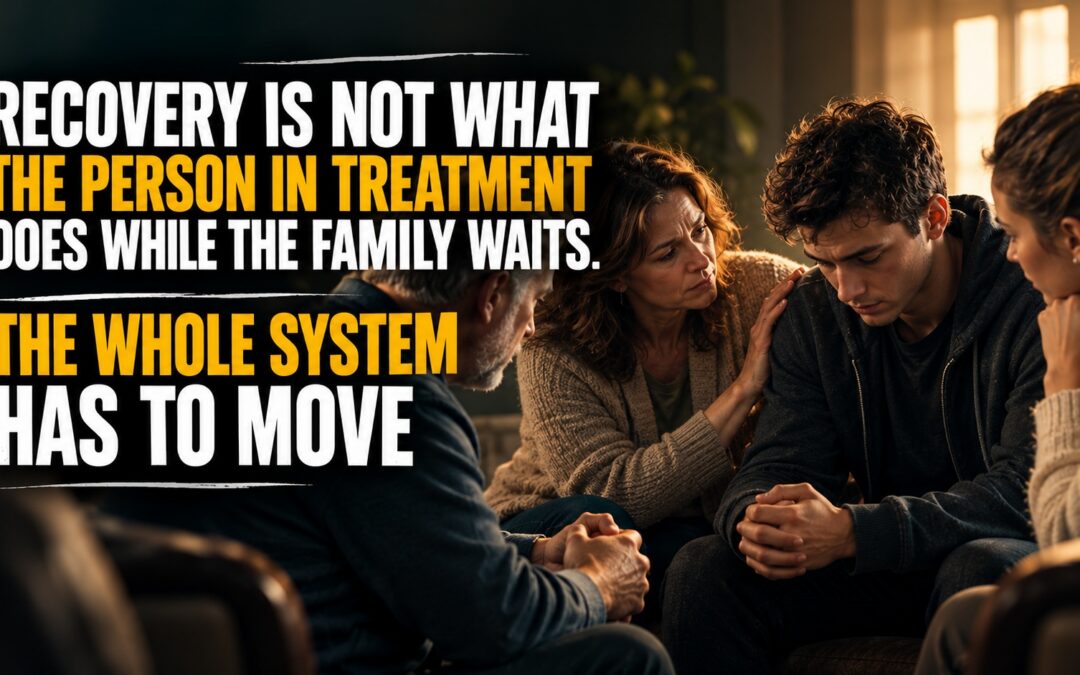
Recovery is not a solo journey that one person completes while everyone else waits. A family recovery system invites the whole household to heal, learn and grow side by side. When the system moves together, new habits have more room to take root.
You deserve support too, and your family’s healing matters on its own terms. If you are ready to explore how your family can be part of the process, reach out to the caring team at Impact Wellness Network to learn about family programming and your next steps. You do not have to figure this out alone.