
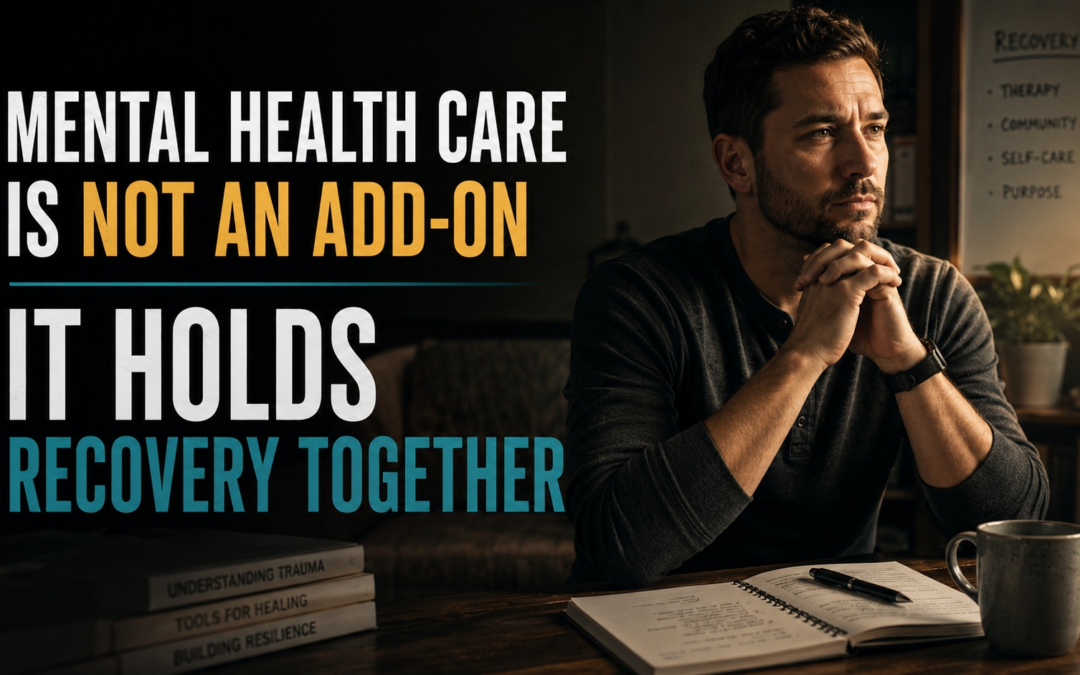
When an individual decides to seek help for substance use, the immediate focus is usually on stopping the physical behavior. But what happens when the substances are gone, and the underlying pain, anxiety, or trauma remains? For many people, navigating these raw emotions without professional support can feel overwhelming.
This is exactly why mental health care in addiction treatment is so critical. It is never just an optional extra or an afterthought. In fact, addressing your emotional well-being is the very foundation that makes lasting wellness possible. By treating the whole person, you ensure that true healing happens from the inside out, empowering you to reclaim your vitality.
Why is mental health care in addiction treatment so important?
Substance use rarely happens in a vacuum. Often, individuals turn to substances as a way to cope with unmanaged emotional pain, severe stress, or undiagnosed psychological conditions. If someone is struggling with severe anxiety or deep depression, substances might temporarily numb those difficult feelings.
When you remove the substance, those original feelings return. Without new coping mechanisms, the emotional weight can easily pull a person back into old habits. Integrating mental health support directly into the recovery process provides individuals with the tools they need to process their emotions safely. It transforms the recovery journey from a test of willpower into a path of genuine self-discovery and balance.
What happens if we only treat the substance use?
Focusing solely on the physical aspects of addiction is like putting a bandage on a deep wound without cleaning it first. You might temporarily stop the bleeding, but the underlying issue will continue to cause harm.
When mental health is ignored, individuals in recovery often experience a much higher risk of relapse. They may feel physically healthier, but emotionally exhausted. To achieve true, sustainable wellness, we must address the root causes of the pain. Compassionate, expert-guided therapy helps individuals untangle their complex emotions, fostering a deeper understanding of themselves and their behaviors.
How does integrated dual diagnosis care work?
When a person experiences both a substance use challenge and a mental health condition simultaneously, professionals refer to it as a “dual diagnosis.” Treating both conditions at the same time is the gold standard of care.
In a specialized program, individuals work alongside health experts to build a personalized roadmap for their recovery. This often involves individual counseling, group therapy, and holistic practices designed to calm the nervous system. You learn how to identify triggers, challenge negative thought patterns, and communicate your boundaries effectively.
If you or a loved one are looking for comprehensive support, exploring dedicated mental health treatment options can provide the insight and guidance necessary to move forward with confidence.
Treating Addiction and Mental Health Together Strengthens Recovery
While it might seem easier to tackle one hurdle at a time, treating addiction and mental health simultaneously is highly recommended. Because the two conditions are so deeply interconnected, ignoring one will actively undermine your progress with the other. Simultaneous treatment provides a stable, comprehensive safety net that supports your overall well-being.
Engaging in Therapy Benefits Everyone in Recovery
Yes, engaging in some form of therapy is incredibly beneficial for anyone in recovery. Even if you do not have a formally diagnosed psychiatric condition, addiction takes a significant toll on your emotional health. Therapy offers a safe, non-judgmental space to rebuild your self-esteem, process guilt, and develop healthier ways to navigate life’s inevitable stressors.
Temporary Discomfort During Therapy is a Normal and Hopeful Step
It is completely normal to feel worse before feeling better during therapy. Healing requires you to face emotions you may have been avoiding for a long time. This process can temporarily increase feelings of vulnerability or discomfort. However, with the right professional support, these moments of discomfort ultimately lead to profound personal growth and emotional resilience.
Can I treat the addiction first and address my mental health later?
While it might seem easier to tackle one hurdle at a time, treating addiction and mental health simultaneously is highly recommended. Because the two conditions are so deeply interconnected, ignoring one will actively undermine your progress with the other. Simultaneous treatment provides a stable, comprehensive safety net that supports your overall well-being.
Does everyone in recovery need psychological therapy?
Yes, engaging in some form of therapy is incredibly beneficial for anyone in recovery. Even if you do not have a formally diagnosed psychiatric condition, addiction takes a significant toll on your emotional health. Therapy offers a safe, non-judgmental space to rebuild your self-esteem, process guilt, and develop healthier ways to navigate life’s inevitable stressors.
Is it normal to feel worse before feeling better during therapy?
It is completely normal. Healing requires you to face emotions you may have been avoiding for a long time. This process can temporarily increase feelings of vulnerability or discomfort. However, with the right professional support, these moments of discomfort ultimately lead to profound personal growth and emotional resilience.
Building a Brighter, Healthier Future
Mental health care is the glue that holds a successful recovery journey together. It empowers individuals to understand their past, manage their present, and build a hopeful, sustainable future. You do not have to fight this battle using just your willpower. Comprehensive care provides the insight, strategies, and encouragement you need to thrive.
If you are ready to explore a treatment plan that honors your entire experience, both physical and emotional, take the first step today. Reach out to a qualified care provider to learn more about comprehensive programs that can help you or your loved one achieve lasting wellness and peace.