
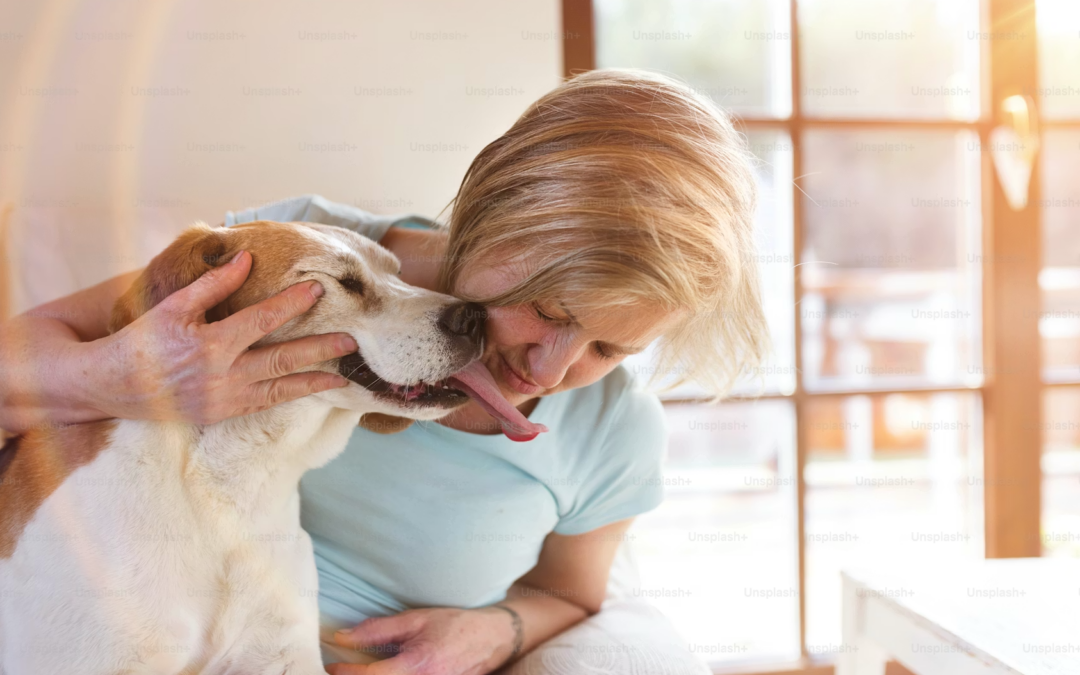
Choosing to explore an Animal-Assisted approach can provide a deeply comforting bridge for anyone struggling with drug or alcohol addiction. When you are feeling completely overwhelmed and afraid of the treatment process, sitting in a clinical room can feel very intimidating. You might worry that you will be judged for your past choices or that the therapy will be too difficult to handle.
You are certainly not alone if the idea of opening up to a stranger makes you want to pull away. Sometimes, true healing requires a softer touch that traditional talk therapy alone simply cannot provide.
What Animal-Assisted Therapy Means in Recovery
This unique form of care involves interacting with safe, highly trained animals as a core part of your recovery plan. Incorporating Animal-Assisted therapy into your weekly routine helps lower your defensive walls without forcing difficult conversations. It provides a peaceful space where you can just be yourself.
Simply petting a dog or brushing a horse signals your nervous system to calm down immediately. It grounds you in the present moment, which is incredibly helpful when managing intense cravings for drugs or alcohol. You begin to feel secure in your own body again.
Supporting Mental Health Through Animal-Assisted Therapy
Animals offer a unique form of pure, unconditional love without any expectations or hidden judgments. This profound connection is more than just a feeling; it’s a powerful therapeutic tool. When you spend quality time with a therapy animal, your body naturally responds by releasing a cascade of feel-good chemicals like oxytocin, serotonin, and dopamine. These neurochemicals work together to combat the heavy weight of depression and the constant hum of severe anxiety. This biological shift doesn’t just make you feel better in the moment, it makes the overwhelming emotions often tied to substance use and recovery significantly easier to manage.
An Animal-Assisted Therapy (AAT) session frequently opens the door to deeper self-reflection, primarily because you feel entirely safe, seen, and accepted by the animal. In this unique therapeutic space, you can learn how to build healthy relationships, practice setting boundaries, and explore complex emotions in a completely non-threatening environment. The animal acts as a social lubricant and a bridge, making it easier to connect with the therapist and the therapeutic process itself.
When Should Someone Consider Exploring This Option?
If you find that traditional talk therapy or counseling leaves you feeling stuck, resistant, or shut down, this alternative path might be exactly what you need to break through barriers and move forward. It is also a wonderfully effective option for individuals who carry deep-seated trauma and struggle to build trust with human caregivers right away. Past negative experiences can make it incredibly difficult to open up, but the gentle, non-verbal presence of an animal provides a quiet anchor and a sense of safety while you slowly learn to trust the recovery process. Trained professionals guide every single interaction to ensure you feel completely comfortable and secure at all times.
The very presence of these animals is scientifically proven to lower cortisol (the stress hormone), making the difficult and often turbulent early days of sobriety much more manageable and less daunting. Animal-Assisted Therapy is not a standalone treatment but is designed to work in concert with your existing therapeutic plan, including one-on-one talk therapy and group counseling sessions. It serves as a beautiful complementary tool that enriches your recovery journey, often making your other therapeutic work even more effective by fostering a state of receptiveness and emotional regulation.
Frequently Asked Questions about Animal-Assisted Therapy (AAT)
What is Animal-Assisted Therapy (AAT)?
Animal-Assisted Therapy is a goal-oriented, structured therapeutic intervention where a specially trained animal is incorporated as an integral part of the treatment process. It is delivered by a health or human service professional with specialized expertise and is designed to promote improvements in human physical, social, emotional, and cognitive functioning. AAT is more than just spending time with an animal; it involves specific therapeutic goals, and progress is measured and documented.
How does Animal-Assisted Therapy help with addiction recovery?
AAT supports addiction recovery in several ways. Firstly, interacting with animals can significantly reduce stress, anxiety, and feelings of depression by increasing levels of calming neurochemicals. This helps individuals better cope with withdrawal symptoms and emotional triggers. Secondly, it helps clients develop trust, empathy, and healthy attachment, skills that are often compromised by addiction. Building a relationship with an animal can serve as a model for creating healthy human relationships. Finally, it can motivate clients to stay engaged in their treatment program and provide a source of unconditional, non-judgmental support.
What kind of animals are used in AAT?
While dogs are the most common animals used in AAT, a variety of other animals can also be involved, including cats, horses (equine therapy), rabbits, and even birds. The key criteria are that the animal must have a suitable temperament, be well-trained, and be certified for therapeutic work. The specific type of animal used often depends on the therapeutic goals and the setting. For instance, equine therapy is particularly effective for building confidence and non-verbal communication skills.
Is Animal-Assisted Therapy safe and suitable for everyone?
AAT is conducted by trained professionals in a controlled environment to ensure the safety and well-being of both the client and the animal. However, it may not be suitable for everyone. Individuals with severe allergies, a strong fear of animals (cynophobia), or a history of animal abuse may not be ideal candidates. A thorough assessment is always conducted beforehand to determine if AAT is a good fit for the individual’s specific needs, history, and treatment goals.
What’s the difference between AAT and having a pet?
While owning a pet offers many emotional benefits, Animal-Assisted Therapy is a formal therapeutic process with defined clinical goals. AAT is facilitated by a licensed therapist who guides the interaction to address specific challenges, such as trauma, anxiety, or relationship difficulties. The animal is a co-facilitator in a structured session, whereas a pet offers more general companionship. The intention, structure, and professional guidance are what set AAT apart from the everyday human-animal bond.
Take the Next Step Toward Gentle Healing
Healing from drug and alcohol addiction is a difficult journey, but you don’t have to do it alone. At Impact Wellness Network®, we offer Animal-Assisted Therapy as part of our substance abuse treatment programs.
This unique approach to addiction recovery provides a gentle, supportive environment to help heal your mind, body, and spirit. Interacting with animals can calm your nervous system and provide comfort when traditional methods feel overwhelming.
If you’re ready to take the next step in your recovery journey, our team is here to help. Visit our admissions page to learn more about our treatment options and find the support you need to start healing today.