Exploring treatment options for drug addiction can feel overwhelming. If you or someone you love is struggling, you may have heard about Medication-Assisted Treatment. It is normal to have questions or even some uncertainty. The idea of using medication during recovery may seem unfamiliar, but this approach is evidence-based and has helped many individuals find relief from intense cravings and withdrawal symptoms. This treatment is not about swapping one substance for another—it’s about providing comfort and stability so deeper healing can happen.
At Impact Wellness Network, we know that every recovery journey is unique. For many, Medication-Assisted Treatment opens the door to more balanced emotions and greater focus in therapy. It is a compassionate way to help your body and mind feel steady as you rebuild your life.
How Does Medication-Assisted Treatment Work?
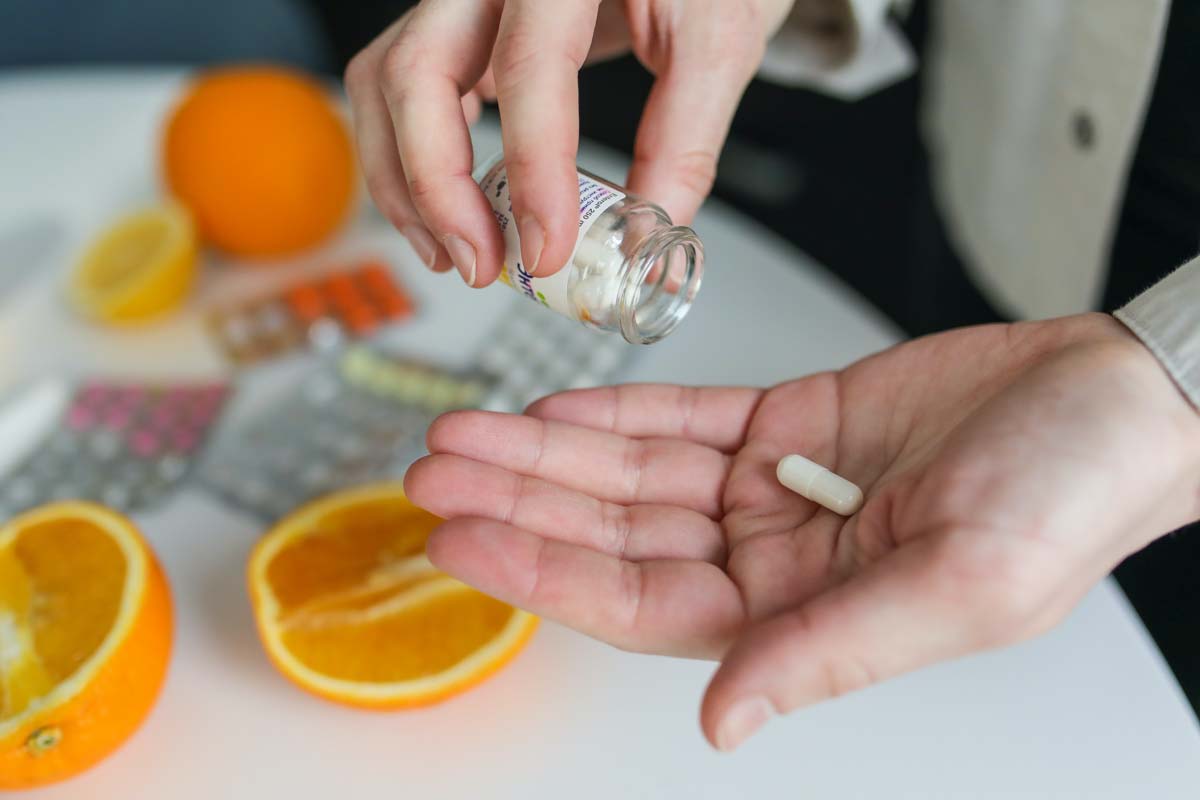
Medication-Assisted Treatment uses specific, approved medications that are prescribed and closely monitored by medical professionals. These medications help in several ways: they can ease withdrawal symptoms, reduce cravings, and block the effects of certain substances like opioids and alcohol. Just as important, this treatment is always combined with counseling and behavioral therapies. The combination, often called “whole-person” care, supports both your physical and emotional well-being.
When your body is no longer battling constant cravings or uncomfortable symptoms, you can participate more fully in therapy. This means you’re better able to learn coping strategies, develop positive routines, and begin to heal underlying issues that may have contributed to addiction in the first place.
What Benefits Does Medication-Assisted Treatment Offer?
One of the main benefits of a Medication-Assisted program is that it gives people a greater chance of staying in treatment and avoiding relapse, especially in the early weeks and months of recovery. Reducing cravings and withdrawal discomfort increases comfort, safety, and hope. Consistent participation in treatment also supports healthier habits and long-term change.
The approach is flexible and can be adjusted to your personal medical needs. Your care team will help you understand the options and decide what will support you best. For many, this path can make the early stages of recovery feel far less daunting.
Frequently Asked Questions
Q: Does Medication-Assisted Treatment mean replacing one addiction with another?
A: No. The medications used in MAT, such as buprenorphine or methadone, are prescribed to normalize brain chemistry and block the euphoric effects of opioids. They do not create a “high” when taken as directed. Instead, they relieve withdrawal symptoms and psychological cravings, allowing your body to adjust so you can focus on recovery. All medications are carefully prescribed and monitored by medical professionals to ensure safety and effectiveness.
Q: Is Medication-Assisted Treatment just for opioid addiction?
A: While commonly used for opioid use disorder, Medication-Assisted Treatment can also be an effective approach for people with alcohol use disorder. Medications like naltrexone, acamprosate, and disulfiram can help reduce cravings and prevent relapse. A clinical team will conduct a thorough assessment to help you decide if MAT is the right fit for your specific needs and recovery goals.
Q: How long does Medication-Assisted Treatment last?
A: The duration of MAT is tailored to the individual. There is no set timeline, as recovery is a personal journey. For some, it might be a short-term solution to manage withdrawal, while for others, it can be a long-term maintenance tool to support sustained recovery. Your treatment plan will be regularly reviewed and adjusted with your healthcare provider based on your progress and needs.
Q: What does a complete MAT program involve?
A: Medication is just one component of a comprehensive MAT program. A successful program combines medication with counseling and behavioral therapies. This “whole-patient” approach addresses the psychological, social, and emotional aspects of addiction, providing you with the tools and support needed to build a foundation for long-term recovery.
Q: Is MAT safe?
A: Yes, when administered by a qualified medical professional, MAT is a safe and evidence-based treatment for substance use disorders. The medications used are approved by the FDA and have been rigorously studied. Your clinical team will monitor your health to manage any potential side effects and ensure the treatment is working effectively for you.
Finding Hope Through the Right Support
You deserve to feel safe and supported as you begin your recovery journey. Medication-Assisted Treatment is one of many paths that can help you or your loved one build a stable, healthy, and sober future. If you have questions or want to know if this option is right for you, Impact Wellness Network is here to help.
Discover more about how Medication-Assisted Treatment (MAT) at Impact Wellness Network can provide a stable foundation for your healing journey. This evidence-based approach helps manage withdrawal symptoms and reduce cravings, allowing you to focus on developing coping skills and addressing the root causes of addiction.
At Impact Wellness Network, we believe recovery is possible for everyone, and you don’t have to face it alone. Our compassionate team is here to support you every step of the way. Take the first step towards a new beginning. Contact Impact Wellness Network today to learn more about our MAT programs and start your path to lasting recovery.