
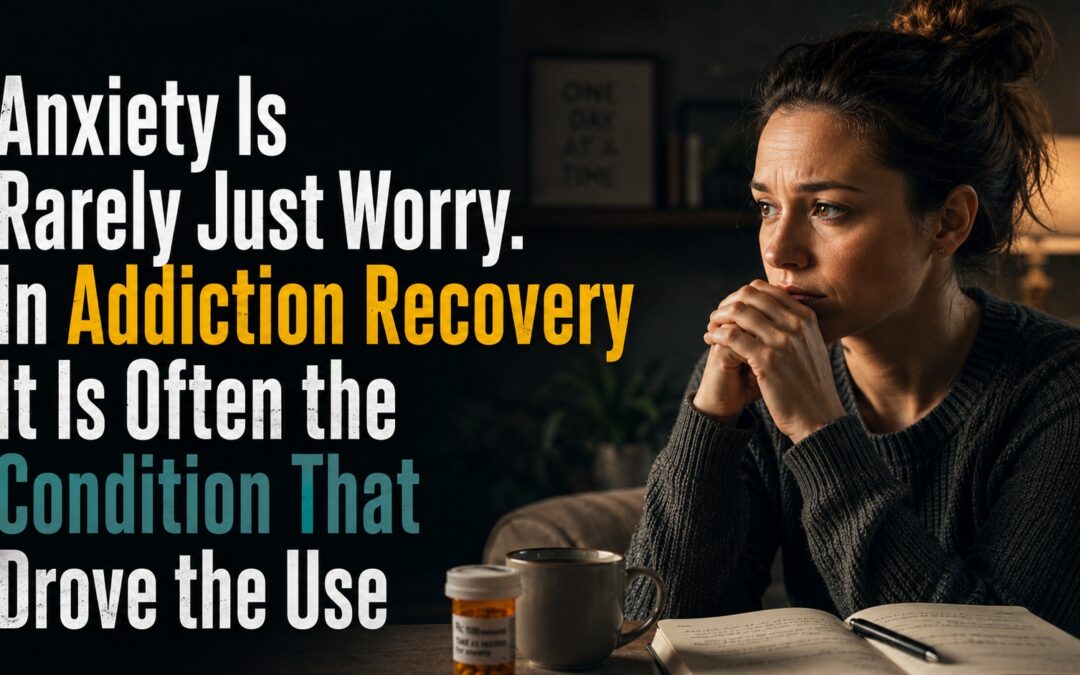
Anxiety in addiction recovery is rarely just ordinary worry, and for many people it turns out to be the very condition that fueled substance use in the first place. If you or someone you love has felt that constant hum of fear beneath everything, you already know how exhausting it can be. That feeling is real, and it matters.
Many people reach for drugs or alcohol not to feel good, but simply to feel calm for a little while. When the substances are gone, the anxiety that was always there can come rushing back.
This experience is more common than most people realize, and it does not mean you are doing recovery wrong. It often means something deeper was there all along, waiting to be understood and treated. You are not alone in this, and there is real hope ahead.
What Does Anxiety in Addiction Recovery Actually Look Like?
Anxiety in addiction recovery often shows up as persistent fear, racing thoughts, physical tension, and difficulty relaxing even when nothing is wrong. It goes far beyond the everyday nervousness most people feel. For many, it becomes a heavy, constant presence.
Some people notice their heart racing or their chest tightening for no clear reason. Others feel restless, on edge, or unable to quiet their minds at night.
This kind of anxiety can feel especially intense early in recovery. Without substances to numb it, the feeling can surface in ways that catch people off guard.
How Is It Different From Normal Worry?
Normal worry usually has a clear cause and fades once the situation passes. Anxiety in this deeper sense lingers, often with no obvious trigger, and can interfere with daily life.
You might feel dread about ordinary tasks or worry that something bad is about to happen. That sense of unease can stick around for hours, days, or longer.
When worry starts controlling your choices, your sleep, or your relationships, it points to something more than passing stress. Recognizing that difference is a meaningful first step.
Why Does Anxiety So Often Drive Substance Use?
Anxiety often drives substance use because drugs and alcohol can offer quick, temporary relief from overwhelming feelings. For someone living with constant fear, that relief can feel like the only thing that works.
At first, a drink or a substance might quiet the noise. The mind slows down, the body relaxes, and the world feels manageable for a moment.
Over time, though, the brain begins to rely on that relief. The anxiety returns stronger, and more of the substance is needed to feel calm again. This cycle can take hold quietly, long before anyone recognizes it.
What Is the Self-Medication Cycle?
The self-medication cycle happens when a person uses substances to manage untreated symptoms, which then deepens both the anxiety and the dependence. It is a loop that feeds itself.
Here is how it often unfolds:
- Anxiety builds and feels unbearable.
- A substance offers short-term relief and quiet.
- The relief fades, and anxiety returns, often worse than before.
- More of the substance is needed to reach the same calm.
- Dependence grows while the original anxiety stays untreated.
Understanding this cycle can bring real relief on its own. It means the struggle was never about weakness. It was about an unmet need.
Why Does Anxiety Feel Worse After Getting Sober?
Anxiety often feels worse after getting sober because the substances that once masked it are no longer there to dull the feeling. What was hidden now becomes visible.
During early recovery, the brain and body are adjusting to functioning without drugs or alcohol. This adjustment period can make emotions feel raw and intense.
You might feel more anxious in the first weeks or months than you expected. That does not mean recovery is failing. It often means the underlying anxiety is finally coming into view, where it can be treated.
Is This a Sign Recovery Is Not Working?
No, feeling anxious in early recovery is not a sign that recovery is failing. It is often a sign that a deeper condition is surfacing and deserves care.
Many people assume sobriety alone should bring peace. When it does not, they can feel discouraged or afraid they are broken.
The truth is gentler. Anxiety showing up simply means there is more healing to do, and that healing is absolutely possible with the right support.
How Is Anxiety Treated Alongside Addiction Recovery?
Anxiety and addiction are treated most effectively when they are addressed together, through what professionals call dual diagnosis care. Treating one without the other often leaves people stuck.
At Impact Wellness Network, care begins with understanding your full story before any plan is made. This approach helps make sure the anxiety driving substance use is not overlooked.
Treatment usually blends therapy, skill-building, and steady support. The goal is to help you manage anxiety in healthy ways so you no longer need substances to cope.
What Therapies Help With Anxiety in Recovery?
Several proven therapies help people manage anxiety while healing from substance use. Each one builds practical tools for lasting calm.
Cognitive Behavioral Therapy (CBT) helps you notice and reshape the anxious thoughts that fuel fear. Individual counseling offers a private space to explore what your anxiety is really about.
Group therapy reminds you that you are not alone, which eases the isolation anxiety often brings. Mindfulness practices help calm the nervous system so your body learns to feel safe again.
What Levels of Care Are Available?
The right level of care depends on how much support you need day to day. Impact Wellness Network offers several options so treatment can match your situation.
- Medically supervised detox. This first step helps your body stabilize safely with professional support.
- Residential care. You live on-site with round-the-clock support and full focus on healing.
- Intensive outpatient care. Structured sessions happen a few days a week while daily life continues.
- Standard outpatient care. Regular counseling supports those who are further along in their recovery.
A caring team can help you decide which level fits best. There is no single right path, only the one that supports you.
How Do You Know When It Is Time to Reach Out?
It may be time to reach out when anxiety keeps pulling you toward substances or making sobriety feel impossible to sustain. You do not need to reach a crisis point to deserve support.
Consider whether any of the following feel familiar:
- Anxiety feels constant, and substances have been the main way you cope with it.
- Sobriety has brought more fear or unease than you expected.
- Worry is affecting your sleep, relationships, or daily responsibilities.
- Past attempts at recovery struggled because the anxiety never eased.
- You sense that something deeper is driving the use and deserves attention.
Recognizing these signs is a sign of strength, not weakness. Reaching out early often makes the road ahead far smoother.
Common Questions Before Starting Treatment
Can anxiety be treated at the same time as addiction?
Yes, anxiety and addiction can and should be treated together. This combined approach, often called dual diagnosis care, addresses both conditions at once. Treating them together tends to bring steadier, more lasting relief than focusing on one alone.
Will my anxiety go away once I am sober?
Sobriety helps, but anxiety often needs its own treatment to truly ease. For many people, the anxiety was there long before substance use began. Therapy, healthy coping skills, and ongoing support can help you manage it for good.
Do I need a diagnosis before seeking help?
No, you do not need a formal diagnosis to reach out. Many people begin care simply because anxiety and substance use are affecting their lives. A caring provider can help clarify what you are experiencing and guide your next steps.
Is it normal to feel more anxious early in recovery?
Yes, feeling more anxious in early recovery is very common. Without substances masking it, the anxiety often becomes more noticeable for a while. With the right support, that intensity tends to ease over time.
Can I get help while keeping up with work and family?
Yes, many treatment options are designed to fit around daily life. Outpatient and intensive outpatient programs let you continue working or caring for loved ones while you heal. Your care team can help you find a balance that works.
Taking the Next Step Toward Calm and Recovery
Anxiety in addiction recovery is real, valid, and treatable, especially when it turns out to be the very thing that drove the use. You were never weak for trying to quiet that fear. You were simply carrying something that deserved care all along.
With compassionate, dual-focused support, the constant hum of worry can soften, and lasting recovery becomes possible. You deserve to feel steady, safe, and at peace in your own life.
Choosing to ask for help is one of the bravest steps a person can take, and you do not have to take it alone. If you or someone you love is ready to explore support, reach out to Impact Wellness Network to learn how we can walk beside you toward lasting wellness.