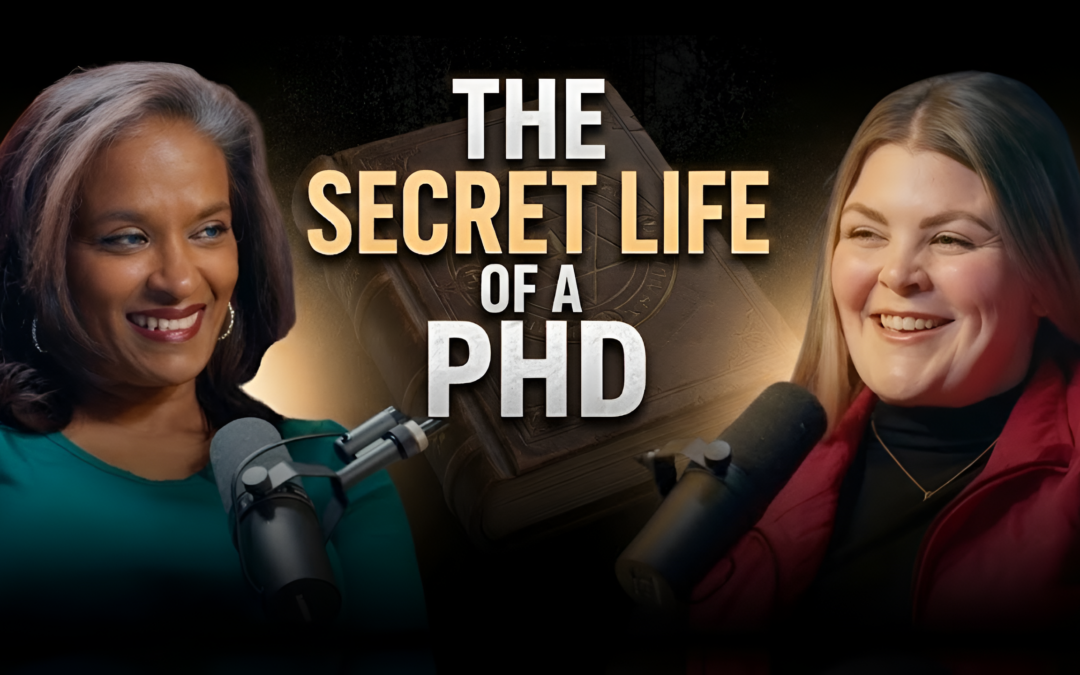
Addiction Recovery and Family Support: Meet Two of the Voices Behind the Impact Wellness Network Podcast
What’s something most people wouldn’t guess about you at first glance?
SPEAKER_01 0:04
I think for me, you know, a long time ago I thought my purpose in life was just to have fun.
SPEAKER_00 0:09
I was growing up in high school, you know, I was talking about like when you surround yourself with like-minded people. And during that time in my life, I didn’t feel like I fit in anywhere that I belonged.
SPEAKER_01 0:20
Honestly, lately, my best self-care ritual has been meditating. I do it a lot. I like to get my essential oil diffuser out. Hello, everyone. We are back. This is Lainey and Natasha. And we are with Impact Wellness Network. Um, we wanted to do a little bit of a fun episode uh today to um really just kind of let you all get to know us. Um, we’ve been bringing you all a lot of education and support. Um, and so we’re gonna do some fun get to know you questions. Um, and so Natasha over there on her phone is uh looking at chat GPT to get us some fun questions to do. So I’m excited to do this.
SPEAKER_00 0:58
This is gonna be interesting and just FYI. I learned all about chat GPT from Laney.
SPEAKER_01 1:03
Okay, now she’s throwing me under the bus again. So um we’re gonna have to really watch this, but um I’m no, I think this will be good. But while it’s loading, we can just maybe start with um maybe where we’re from and kind of um what we do. These questions are gonna be funny, but yes. Oh my gosh. Great. So we’ll start with just kind of where we’re from and what we do, just you know, a little bit about who we are. So um I’ll start. My name is Lainey. Um I have worked in the field of substance use for um between 10 and 12 years. Um, so been in it for some time. Um, I got my bachelor’s degree in English and secondary education and thought I wanted to be a teacher. Um, from there I got my master’s in counseling and human development. Um, and now I’m um close to finishing my PhD in counselor education and supervision. Yeah. So um I’m a lifelong learner. It’s just what I like to do. Um, I love working in the field. Um, it’s a passion of mine. Um, maybe we’ll get into why and some of these questions. I don’t really know what I’ve signed up for here. I might regret doing this. You and but that’s what I do. Um, and of course, as I’m talking about it, I have to give a shout out. You know, um the college that I’ve got my uh degrees from is Lindsay Wilson University on my third degree from them. So just had to give the little shout out there. Yeah.
SPEAKER_00 2:21
Well, I’m originally from the Caribbean, Caribbean, Trinidad and Tobago. Um, came to the United States when I was about 12 years old, and I have a master’s degree in marriage and family, a counseling psychology, business, and a business degree. Um, I have done a plethora of things over the course of my 25-year career. So I have done anything from being a behavioral health tech to being a therapist, specializing in addiction and marriage and family, to I’ve been an investigator for sex crimes and narcotics, um, which was a really great job. I love that and miss that. Um and now today I’m actually narrowed down what I do, and I’m a life coach. I actually am more of a mindset transformation coach, and I work with helping women um find their authenticity and help women break free from toxic relationships. And I do that, that’s near and dear to my heart. That’s just because of what I’ve been through in my own life. Um, coming from chaos and dysfunction and trauma and not having a voice and my voice being silenced. I’m just on a crusade to help people empower their voices and to speak their truth. So that’s what I do when I’m not doing this.
SPEAKER_01 3:30
Yeah. Well, and I was just thinking, you know, I didn’t even say what my title was for Impact Wellness Network, um, which is kind of we’re bringing this to you through Impact Wellness Network. Um, but I am the executive director of family services uh for Impact Wellness Network. So you started talking about what you do, and I thought, huh, yeah, that’s important. I should probably tell people what I do for the organization. Absolutely, absolutely.
SPEAKER_00 3:53
And I’m just Lainey’s psychic. I’m just here to be able to help her. I’m I I believe so much in family and the importance of family being involved in the process of treatment and recovery that I’ve been invited on to partner with her in this in this program and building the program. And she’s done an amazing job in what she’s brought to families. And it’s just it’s it’s an honor to be here and to be a part of this process with you.
SPEAKER_01 4:18
So I love it. I love it. I love it. All right, let’s get in. Yeah.
SPEAKER_00 4:21
What has Chat GPT got for us? I’m nervous. All right, let’s see. Sorry, my phone logged out. It says, What’s something most people wouldn’t guess about you at first glance?
SPEAKER_01 4:32
Oh my gosh, that’s really hard.
SPEAKER_00 4:34
I’m gonna I’ll I’ll say that. I said it in one of our other episodes. I did a speaking um event not long ago, and I walked in, my hair’s all done, makeup all done, dressed to the nine, and the first words out of my mouth was that I’m a recovering addict, and you could just hear the in the room. I think people look at me and my poise and just they don’t believe that I struggle with addiction and or struggle with you know, have have had trauma in my life. So that is something that is um shocking to a lot of people.
SPEAKER_01 5:04
I still I’m like, I have no idea.
SPEAKER_00 5:07
That’s just stunned. Do you want me to move to the next question?
SPEAKER_01 5:10
That they wouldn’t that they wouldn’t guess about you.
SPEAKER_00 5:12
That they wouldn’t guess about me. I wouldn’t guess that you’re a soon-to-be doctor.
SPEAKER_01 5:18
Yeah, I am a soon-to-be doctor, soon-to-be graduate with a PhD.
SPEAKER_00 5:21
How exciting.
SPEAKER_01 5:22
Um, I don’t know. We might have to come back to me on that one. I used to cheer when I was in college, maybe.
SPEAKER_00 5:30
No, I’m gonna say to you, that was totally a surprise to me. And yeah, please, anybody listening out there, I’m not trying to stereotype when I met you because you were just sort of a nerd like I was. Wow, thanks. And you’re so you’re you’re just always about learning and growing, and that’s just who I am as well. And I think that’s why we get along so well together. I don’t know. I think it was months into getting to know you. You said you were a cheerleader and you just Yeah, because you hate to say you made the comment.
SPEAKER_01 5:55
You said something about cheerleaders are so you know, preppy and uplifting, and and I wouldn’t want to be around that. Yeah, and I was like, interesting.
SPEAKER_00 6:02
So let me be clear on that. When I was growing up in high school, you know, you I was talking about like when you you you surround yourself with like-minded people, and during that time in my life, I didn’t feel like I fit in anywhere that I belonged. So I get I really kind of hung out with some very all the unique and odd groups, and I try to become this chameleon everywhere, but cheerleading with the cheerleaders was just not the place for me. They always walked around with smile on their faces, they always just seemed so happy and cheery, and I hate to say that just wasn’t my life. Right. So the idea of being around cheerleaders was just not something that I would do. And to know that we have grown so close and we are such good friends, and to know that you are cheerleader. So that for me, that’s something that in in looking at you or just knowing you, and it just shows you that you don’t ever judge a book by its cover. Yeah, you look at someone and we all automatically stereotype or assume certain things. Um, but in reality, um, there’s so much more about us for people to know, and hopefully that’s what they’ll get to know more about in this episode. So all right, what’s next? How would your closest friends describe you in three words?
SPEAKER_01 7:12
Oh my gosh. Well, I know one word because my my best friend Nikki, shout out Nikki. Um, she always tells me how loyal I am. So loyal would be one. Sometimes it’s sometimes it’s not always good. So I think loyal would be one. Um I think I’m like, how do I say this nicely? Um structured, loyal, structured. Um, and I know that because they always say, you know, like if anything needs to get done, they’re gonna come to me. Um, like I I’m very like just like type A. Like, you know, we’re gonna have a plan. Um, so loyal, structured, and um I think genuine would probably be another one. I don’t think anyone’s ever, any of my friends have ever really used that word. Um, but I’ve had quite a few friends like um from college who have told me that, you know, they never felt like they could be themselves until they were around me. And they always felt like they could just be themselves around me with no judgment. Um, you know, which which does feel really good to hear. And I’m gonna be honest, saying these things out loud right now makes me a little uncomfortable. Um, not because I don’t believe them, like I do I try to be loyal and and you know, structured and genuine, but it I guess it’s just hard to talk nicely about yourself.
SPEAKER_00 8:28
So that’s a whole other kind of conversation on self-love. Um, so for me, I’m always nerds at top of my list. My children said, you know, because I used to sleep with a dictionary at the side of my bed, my girls, um, and shout out to my girls, Isabel and Haley. Um, I’m I’m definitely a nerd. Um, many of my friends would say that I’m a truth teller. Um I did not give myself that name, by the way. Thanks to our families and our listeners out there that they gave me that name. Um, so nerd um truth teller and genuine. Yeah. Genuine. So those would be three things to describe. I mean, it’s interesting to sit here and say that with such assurance because in the early years of my sobriety or even in active addiction, if you had asked me this question, I would not have been able to give you anything nice about me. Right. I could tell you everything that was wrong with me. Yeah. I could, you know, I could describe myself um in the ugliest of ways. So this is interesting to see how far we’ve grown and how far we’ve come. Um oh, this one might well, this one might be tough. If your life had a theme song, oh, I actually know this one only because it happened when on my way here. It says, I’m sorry, if your life had a theme song right now, what would it be and why? So I know the song. I had to listen to it the day I came in.
SPEAKER_01 9:48
Oh, yeah, yeah, yeah.
SPEAKER_00 9:49
Um my gosh, that is so difficult. Um so I’m gonna say mine while you figure out yours. I just have to get the artist’s name because I want to make sure that I do this right. But the song and my children, her name is Ari Aria Blue, and it says, God Don’t Play About Me.
SPEAKER_01 10:12
Yeah.
SPEAKER_00 10:13
And I literally, when I heard it on the way to the airport coming here, I told my daughter, I said, This is my anthem song for 2026. So it was God Don’t Play About Me by Aria Blue. Um, I have my spiritual life has changed so much and evolved so much over the last 15 years in sobriety that the God of my understanding, my higher power, has just changed my life. And to know 16 years ago that I attempted suicide and to be sitting here and doing this podcast with you today, um, God don’t play about me.
SPEAKER_01 10:47
That’s right, that’s right. I’m still like stumped over here. Um the only thing that’s coming to mind is Fear is a Liar by Zach Williams. Um, I I know I have a better song out there, so I might come back to you all in a future episode and give you a better one. But um, you know, there’s just a lot of change in my life right now, a lot of the unknown. And um, so it’s easy to let fear creep into that. Um, but you know, as I’ve learned and as I’m walking in this journey, like it is a liar, and like, you know, there is faith and things like that. So yeah, we’ll do with that for now. You’re gonna like the next one. Oh gosh. I don’t know. I’ll never let Natasha lead this again. Sorry. We’ll do another one and I’ll leave this. I promise you, I promise you, you’d like this one. We’ve been talking about it all day. What’s your go-to comfort food for self-care ritual? My go-to comfort food, chocolate cake, hands down. Everybody who knows me knows this. It is chocolate cake to a T. Um, Linda Sudge Cake specifically. Um, yeah, definitely. But I guess self-care ritual. Honestly, lately, my best self-care ritual um has been um meditating. Um, I do it a lot. I like to get my um essential oil diffuser out um and meditate. I used to not do this, you know, at all. My self-care ritual used to be a nice hot soaking bath, um, which trust me, I still enjoy. Um, but on days that are hard, like I will I will sit down and do a good meditation.
SPEAKER_00 12:16
Yeah, so you know, again, good comfort food is my fried chicken. Can’t get enough of that fried chicken. Do not judge me out there. I’m just saying. And then self-care ritual, I have two. Um, the first one for me is that getting up in the morning, that prayer and meditation for me is so important, it’s vital to my day. Um, and I’ve really grown into that. I went from starting at a three-minute meditation because I couldn’t sit still and I couldn’t concentrate to five years into practice, I can sit there for a solid 45 minutes to an hour in prayer and meditation. So that is that is a must. But I’ve developed a facial routine in the evening, uh, removing my makeup. And um, I believe it was a retreat we had attended before where we talked about taking time to um to wash your face and to feel the water on your face and to just to cleanse the face. And that might sound a little odd and a little weird to some, but um, as I unveil from the day, so to speak, yeah, and I’m shutting down for the day, that is a nice, really relaxing process for me is doing a facial routine.
SPEAKER_01 13:20
I love it.
SPEAKER_00 13:21
So I can have better skin.
SPEAKER_01 13:22
Yeah, I’m all for that. Y’all, you know I love to take care of my skin.
SPEAKER_00 13:26
That’s one fun fact about you that always surprised people.
SPEAKER_01 13:29
I don’t I don’t have nothing about me that is surprising. Yeah, I don’t think so either. I just tell people, I’m like, yeah, here I am. Um, well, here we go. A fun fact about me that’s surprising is over the last year and a half to two years, I have lost a hundred pounds. Which I mean, I guess wouldn’t be surprising because if people see me, they’re gonna be like, wow, you know. I mean, a hundred pounds is hard to miss on a person. A hundred pounds is a whole person.
SPEAKER_00 13:52
Yeah, but I think it’s you know, that’s still a huge accomplishment. Absolutely. Um, I think it takes a lot of dedication and a lot of self-care and love. Uh again, commitment to self to be able to do that. That’s not easy to do.
SPEAKER_01 14:05
Yeah. So that’s all I really got. I know, again, not surprising because you can see a hundred pounds shut off a person, but that’s the best I got.
SPEAKER_00 14:15
The only thing I can think about right now, a fun fact about me is I snort when I laugh. If you get me laughing really hard, I’ll start snorting and then I can’t stop. So we’re not gonna do that here because yeah, we’re not gonna show you.
SPEAKER_01 14:26
Well, here now that you say that, I’m thinking to myself, I actually used to stutter. Did you? When I would get really excited, um, which is why I get so nervous to do things like this or public speaking or talking in groups, and everyone always says, like, you never know you’re so nervous. And um, yeah, I I do still get really nervous because I I stutter when I get excited.
SPEAKER_00 14:45
It’s crazy because you almost seem it this seems just so natural and you’re so comfortable in doing this. So that is that is really interesting. All right, what does purpose mean to you and how has yours evolved over time?
SPEAKER_01 14:58
Who that’s deep. Um, so I think a lot of times people assume that purpose is like this really large thing that you’re working towards. Um, I have learned to define purpose in small moments. So, my purpose, you know, to me, I think my purpose in life is to show up, um, to be kind, to be humble, um, you know, to show love. Um, and you know, sure, is do I have a larger purpose in life? I I think so. I think, you know, my larger purpose in life is to really take my passion for helping family members of those um who struggle with addiction and educate them and help them in their journey. But, you know, there are small things I can do day in and day out to do that, right? It’s you know, sometimes it’s just holding the door open for someone and smiling at them, right? Um, you know, you have no idea what they’re going through. And um, you know, that that morning they could have had an argument with their, you know, husband who struggles with alcoholism, and then you hold the door open to them and smile to them and give them hope to keep going, you know. Um, so I think for me, you know, a long time ago, I thought my purpose in life was um just to have fun. Still is, yeah, still is, you know, I still want to have fun. Yeah. Um, but I think, you know, over the years, you know, I’ve I’ve grown um a lot stronger in my spirituality. And, you know, for me, that my higher power is God and my relationship with God and being able to be comfortable in that and walking in that. And um, so that’s definitely kind of navigated and changed my purpose a little bit.
SPEAKER_00 16:25
Yeah, so I I have to agree with you a lot there. And for me, purpose has truly progressed and it changed and evolved over time. So coming into sobriety and through AA, my my purpose, my focus was in service, right? Stepping out and doing for others and giving to others without expectation. Um, and then with time, as I grew and evolved and matured in sobriety, that service um grew. Therefore, my purpose grew. And so not just helping, you know, another recovering addict, alcoholic, drug addict, um, you know, walk through um the the steps, right? Um, but also now helping their families see, have hope that there is a better life and that things can get better and that they can rise above the ash the ashes. And then there is, as I’ve grown in my spirituality as well, there’s even a bigger purpose in removing the stigma and helping everyone get comfortable and not be afraid with talking about mental health. And I’m grateful today that I am sober and have matured to be confident enough to speak about my own mental health and give hope on how that we can we can overcome and hoping that in my purpose that I can deliver that message to the world and have other people have that same level of hope and willingness to change.
SPEAKER_01 17:48
Yeah, I love that. I love that. I think my purpose um has sent me to Impact Wellness Network, and I’m so grateful for that. Um you know, Impact Wellness Network is gracious enough to give me this platform, right? You know, to share with other people. Impact Wellness Network cares enough um to want to give to other people and give them their life back and offer the families these services. And um, I just think that’s huge. So I wanted to make sure I highlighted that in there. And I think that’s for both of us, trying to say for both of us.
SPEAKER_00 18:16
Absolutely. And I I want let’s give a shout out to Impact Wellness Network. Let’s give an uh a shout out to the owners of Impact Wellness Network. You know who you are. Um they are one word, heart. Yes, they’re the heart of this business, this program, and everything. They are just filled with heart, they believe in family, they believe in re in in being reunited. Um, they too understand recovery, they understand what it means to have families be a part of this process. And I just think because they the foundation of their business is in hearts. I don’t know how else to put that into words. Um, their heart just pours over into the lives of others. They’ve given to so many and they just keep giving. Um, and yeah, I’m just truly honored absolutely for the opportunity to be able to give to continue to give to other people. Right.
SPEAKER_01 19:08
And their heart trickles down into the service that is done. Absolutely. And so um, and I think a lot of that, you know, I purpose is is something that is it starts small and it grows big, right? And because of the purpose that they had in their life, it opened a path for me to have a purpose, which then opens the path for all of our clients and families to have purpose.
SPEAKER_00 19:27
It just brings back to the the the old adage of paying it forward, yeah, right? They paid it forward when they got sober, and as they got sober, then you know their business and what they’ve done have now paid it forward, and now they’re paying it forward to us, and we get to pay it forward to other people. So I just think it’s a beautiful thing, absolutely. All right, one last fun question. Oh boy, and I saw coffee on here, so okay. So we can answer either or coffee, tea, or something stronger, or morning person or night owl. Which one do you want to answer? We’ll just answer both.
SPEAKER_01 20:01
Um so I’m definitely a coffee over tea or something stronger. Um, yeah, it would definitely be coffee over anything. Um I’m not a big coffee drinker though. Like I’m not an everyday coffee drinker, um, surprisingly or not. Um, I just like to have it as a treat every so often. Um, and I would say probably my favorite coffee to get, um I honestly, you know, a little business shout out here um in the heart of Mount Washington, which is where our um administrative office is for Impact Wellness Network, is at this place called Local Press. And they have a meal coffee and it’s like honey and cinnamon, and um, it’s it’s wonderful. It’s this nice little locally owned coffee shop, but it’s it’s great. Um, as far as morning or night owl, um I mean I’m a I’m a little bit of both if you consider my nighttime night. So keep in mind my phone ends at eight o’clock. Yes, my phone goes on do not disturb at eight o’clock. Um, and so usually from like seven to nine, you know, that’s considered my night. Um, and and I enjoy that time because usually from seven to eight, it’s kind of like, you know, for my structured people out there at getting things together, getting things prepared, and then from eight to nine, it’s my time, right? Um, but I also do enjoy mornings, you know, waking up and doing my prayers and my meditations and things like that. So I guess a little bit of both. I really don’t, I don’t like waking up. Um, but I do like once I get up.
SPEAKER_00 21:27
So I’m really glad you said that because I was actually just gonna choose one, not the other. So I’m definitely I’m only a night owl because because I end my day late. So my evenings sometimes don’t end till seven or eight o’clock at night, then I need between nine and ten or nine and eleven to wind down. So that’s why I’m a night owl, not because I’m going out anywhere and doing anything crazy anytime. I’m just at home. Um I don’t like getting up in the morning, but I will say that when I’m up, I get so much more accomplished. And I love that quiet time when everyone is still asleep and the world out there is quiet and doing my prayer and meditation in the morning. Because once that’s the very first thing I do, and once I get that done, I am ready to take on the world. But let me tell you, when the alarm goes off and I gotta roll out of the bed, snooze. That’s what I do. I probably snooze about four to five times. So I will say though, I wasn’t always a morning person. So in active addiction, I was a night owl. Yeah. Hands down. Night owl hated mornings, hated waking up. Um, now I I enjoy both of them with some boundaries. Yeah.
SPEAKER_01 22:33
So you know, I’ve always heard people have always said, you, you know, you don’t you don’t really have much control over what happens in the middle of your day, but you can always control how you wake up and how you go to bed. Absolutely. And so I really stick to that.
SPEAKER_00 22:44
Absolutely. And I I do love my one cup of coffee. In my in my health journey, I’ve cut my coffee to one cup of coffee in the morning. Um, and I’m actually trying to transition that out to having uh a ginger tea in the morning, but again, not disciplined there yet, but we’ll get there. It’s a work in progress.
SPEAKER_01 23:02
Perfect. All right. Well, that’s all we have for you all today. We hope you got to get to know us a little bit more. Um, you know, once again, we do just want to say that if you are looking for help, seeking help, um, and you want support, um, please go to impactwellnessnetwork.com. We would love to help you. We’d love to give you resources. Um, and you can always find out more information there. So that’s all we have for now. So we will see you next time. Till next time.
Every podcast has voices that listeners come to recognize, but those voices are more than just people behind a microphone. They bring their own experiences, knowledge, personalities, and perspectives to every conversation.
The Impact Wellness Network Podcast was created to have real conversations about addiction recovery, mental health, family support, and the challenges that come with finding a path forward. Throughout the podcast, listeners will have the opportunity to hear from different professionals, advocates, people with lived experience, and others who have valuable perspectives to share.
Two of the voices listeners will get to know are Lainey and Natasha. Both bring years of experience in behavioral health and addiction recovery, but they also bring something that can’t be learned from a textbook. They bring their own stories, experiences, and understanding of what it means to support individuals and families through difficult seasons.
Getting to know the people having these conversations is an important part of understanding why these conversations matter.
Meet Lainey
Lainey serves as the Executive Director of Family Services for Impact Wellness Network. She has spent approximately 10 to 12 years working in the substance use field and has built her career around addiction, mental health, counseling, and family support.
Her educational background includes degrees in education and counseling, and she is currently pursuing a PhD in counselor education and supervision.
Lainey’s professional experience has given her a strong understanding of addiction and the many factors that can influence recovery. But one of the areas she is especially passionate about is the family.
When one person struggles with addiction, the effects rarely stop with that individual. Parents, spouses, children, siblings, and other loved ones can all experience the impact.
Family members may find themselves trying to understand addiction while also managing fear, guilt, anger, exhaustion, and uncertainty. They may spend so much time trying to help their loved one that they forget they need support too.
Lainey’s work focuses on helping families understand their role in the recovery process while also learning how to take care of themselves.
She believes education can make a significant difference. When families understand addiction and learn healthier ways to communicate, establish boundaries, and provide support, they can become an important part of the recovery process without losing themselves along the way.
Meet Natasha
Natasha brings another unique perspective to the Impact Wellness Network Podcast.
She is a mindset transformation coach with a 25-year career that has included working as a behavioral health technician, a therapist specializing in addiction, and an investigator for sex crimes and narcotics.
Those experiences have allowed Natasha to see addiction, trauma, mental health, and recovery from many different angles.
But there is another part of Natasha’s story that makes her perspective especially meaningful.
Natasha is in recovery herself.
She has experienced significant trauma and understands firsthand what it means to struggle, heal, and rebuild. She also shared her experience of losing 100 pounds, another personal transformation that required commitment and significant change.
For someone meeting Natasha today, those parts of her story may not be obvious.
She is confident, composed, and passionate about helping others. But her experiences have helped shape the person she is today and the way she approaches her work.
Her lived experience gives her an understanding of addiction that goes beyond professional training.
When Professional Experience Meets Lived Experience
One of the strengths of having different voices in conversations about addiction recovery is that no single perspective tells the entire story.
Clinical education matters.
Professional experience matters.
Lived experience matters.
Family experience matters.
All of these perspectives can help us better understand addiction and mental health.
Lainey brings years of education and professional experience working with individuals and families affected by substance use. Natasha brings decades of behavioral health experience along with her own journey through addiction and recovery.
Together, they can have conversations that address both the professional and personal sides of recovery.
For listeners, that can create an opportunity to hear about addiction in a way that feels educational without losing the human side of the conversation.
Family Involvement Is an Important Part of Recovery
A major focus of Lainey and Natasha’s work is helping families become part of the recovery process.
Addiction is often described as a family disease because its effects can reach far beyond the person using substances.
Families may change their routines around addiction. They may constantly worry about what will happen next. They may begin rescuing or enabling their loved one without realizing it. They may struggle with setting boundaries because they are afraid of what will happen if they say no.
These experiences can leave families feeling exhausted and alone.
Family involvement in addiction treatment provides an opportunity to change that.
Families can learn about addiction, understand their own responses, develop healthier communication skills, and receive support from people who understand what they are going through.
Supporting a loved one does not mean fixing their addiction.
It does not mean controlling their choices.
And it does not mean putting your own life on hold.
Healthy family involvement means learning how to support recovery while also taking responsibility for your own well-being.
Getting to Know the People Behind the Conversations
While much of the Impact Wellness Network Podcast focuses on addiction, mental health, treatment, and recovery, there is also value in getting to know the people having those conversations.
Lainey and Natasha both describe themselves as loyal, genuine, and structured.
They also have personal routines that help them take care of themselves.
Lainey incorporates meditation and an essential oil diffuser into her self-care routine.
Natasha prioritizes morning prayer and meditation and has created an evening facial routine that gives her time to slow down and unwind.
These small routines are reminders that self-care does not have to be complicated.
For people who spend their careers helping others, it is especially important to create time to recharge. The same is true for family members who are supporting someone through addiction.
You cannot continually pour everything you have into someone else without eventually needing to refill your own cup.
Finding Purpose in Everyday Life
Lainey and Natasha also have different perspectives on what it means to live with purpose.
For Lainey, purpose can be found in small, everyday acts of kindness and love. Her professional work gives her another way to live out that purpose by educating and supporting families affected by addiction.
For Natasha, her understanding of purpose has evolved through her own recovery.
Her journey began with individual recovery and eventually grew into a desire to advocate for mental health awareness and empower women to speak their truth.
Neither perspective suggests that purpose has to be something huge or dramatic.
Sometimes purpose is found in helping one person.
Sometimes it is found in sharing a story that makes someone else feel less alone.
Sometimes it is simply choosing to show up each day and do something meaningful.
Recovery Creates Opportunities for Change
Both Lainey’s and Natasha’s stories demonstrate that people are capable of change.
The experiences someone has had do not have to define the rest of their life.
Addiction does not have to be the end of someone’s story.
Trauma does not have to determine someone’s future.
And the person someone was years ago does not have to be the person they remain forever.
Recovery can create room for growth, healing, and purpose.
It can also create opportunities to use personal experiences to help others.
That idea of paying it forward is an important part of the work happening at Impact Wellness Network.
More Voices, More Perspectives, More Conversations
Lainey and Natasha are just two of the voices listeners will get to know through the Impact Wellness Network Podcast.
As the podcast continues, listeners will hear from additional hosts, professionals, advocates, and people with experiences and perspectives that can help expand the conversation around addiction recovery and mental health.
Every person brings something different to the table.
Some may provide clinical insight.
Others may share personal experiences.
Some may focus on family recovery, while others may talk about mental health, treatment, community support, or life after addiction.
The goal is not to tell one story or provide one answer.
It is to create a place where people can learn, ask questions, hear different perspectives, and hopefully feel a little less alone.
A Podcast Built Around Connection and Hope
Addiction can be isolating.
Mental health struggles can be isolating.
Families affected by addiction can feel like no one understands what they are going through.
Sometimes simply hearing another person talk openly about these experiences can make a difference.
The Impact Wellness Network Podcast is designed to create those conversations.
Through the voices of people like Lainey and Natasha, listeners can learn more about addiction, recovery, mental health, family involvement, and the realities that come with each of them.
Most importantly, these conversations are meant to offer hope.
Recovery is possible.
Families can heal.
People can change.
And no one has to navigate the process completely alone.
You Don’t Have to Navigate Addiction Alone
Whether you are personally struggling with addiction, supporting a loved one, or trying to understand how addiction and mental health are affecting your family, you do not have to figure everything out by yourself. Impact Wellness Network is here to provide education, treatment resources, family support, and guidance for people navigating addiction and recovery. You don’t have to wait until you have all the answers or know exactly what kind of help you need. Contact Impact Wellness Network today to learn more about available resources and take the first step toward healing, connection, and a healthier future.