Addiction and the Biopsychosocial-Spiritual Model: Understanding the Causes of Addiction
SPEAKER_01 0:00
You love them, but if you’ve been selfless and not taking care of yourself and neglecting yourself and not loving yourself, what kind of love are you giving them? What I just heard in that is, well, I did love them.
SPEAKER_00 0:12
They got all the new things for Christmas, they got everything they wanted for Christmas. I did guide them, and I did not guide them to be raised this way.
SPEAKER_01 0:19
But these primal needs that need to be met, we rely, we depend upon our caregivers, whomever they are, whether they’re biological or not, we rely on them to meet those primal needs when we are children.
SPEAKER_00 0:34
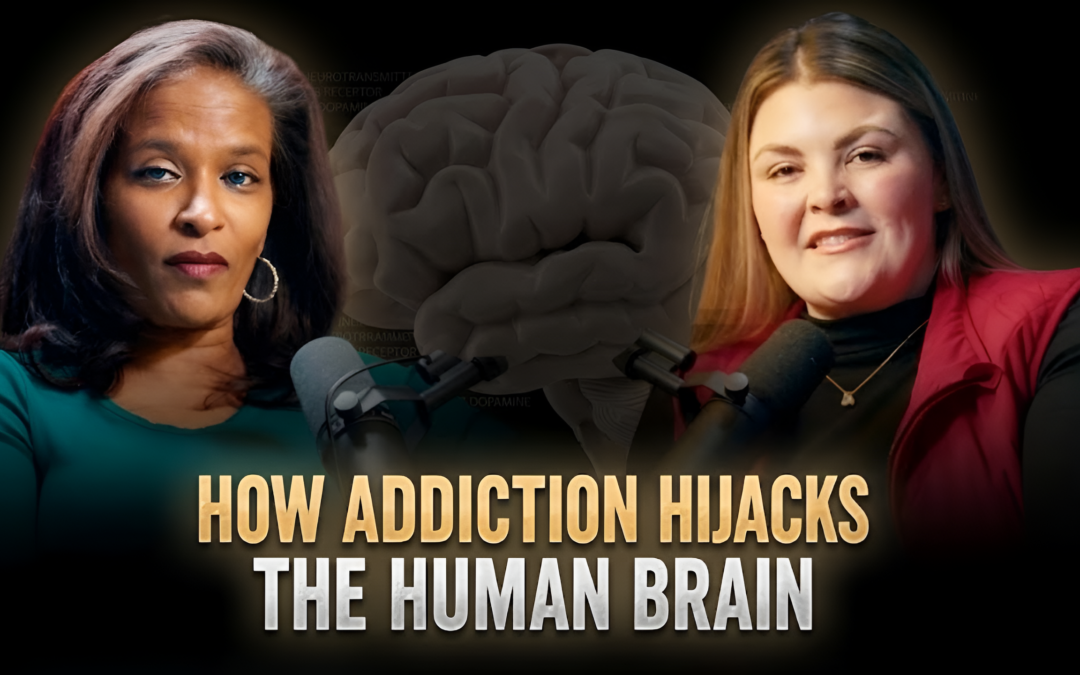
But let’s just say in our ideal world that you were raised in the most perfect family by the most perfect parents. Can you still struggle with substance use or mental health? Hello, everybody. Welcome back. It’s Lainey and Natasha. And we are here uh with Impact Wellness Network just to hopefully bring you all some um support, education, um, and really just kind of giving you all a community wherever you’re at so that you know that you can always come back to us. Um, I know in the last episode that we did, we talked a little bit about um guilt. And um we talked also about um just blaming ourselves. Yeah, blaming ourselves and you know, the environment and you know, kind of, you know, how we can react and interact with those around us and how it can contribute to recovery or negatively impact that. Um so what we really want to kind of bring you all today is um we’re gonna take you back to school and do some education. Um, and so we want to talk about just some um different contributing factors um that can impact someone who struggles with substance use um and or mental health. Um so any of our families who have been um, you know, who have worked with us before through Impact Wellness Network, um, they’ve heard this. Um so we’re gonna do our best to bring it to you all in a podcast. Um, this is our first time doing this. Yeah, interesting. And we’ll see how it goes. So um I guess I’ll just start off with kind of going over the the overarching, I guess, contributing factors, right? So there is um biological um contributing factors, psychological, um social, and spiritual. Um, so that is, you know, for any of our um professionals out there, um, when you do your biopsychosocial assessment, this is this is where it comes from, right? It’s your biological, psychological, social, um, and spiritual um different components that kind of go into understanding a person, um kind of what led them to be kind of who they are today, as well as areas that we um can treat, right? To kind of help them go on in their recovery. So um, I guess with all that being said, we’ll start with biological. Um, and I always hand this over to Natasha. Um, she’s the she’s the smart one out of the two of us.
SPEAKER_01 2:52
So well, I think it’s important, right? We the whole purpose of understanding the disease of addiction is so that we can remove the stigma. There’s so much um shame around it that, and everyone, again, like we talked in our last episode, somehow is blaming themselves and think it’s their fault. So, in the industry of substance abuse and mental health, it’s important we use a biopsychosocial spiritual model as a way to help people have a uh greater understanding that this is a disease, uh disease of the mind. Now, there’s a lot of controversy around it, you know, a lot of people don’t think it’s a disease, and that’s why we say it’s a disease concept, right? It’s helping you understand that there’s a multitude of things, that it’s not just one thing that drives the addiction. So when you’re looking at, you know, again, if you’re if you’re a person that likes to take notes, um, again, the categories are we’re going to look at the biological factors, psychological, environmental, uh slash social, and spiritual. In the biological factors, in our assessments, we’re looking at the family history of mental health. We’re looking at us if there’s a family history of substance use um issues, not necessarily a diagnosis, but if there is a family history of it, we are looking at chemical imbalance in the brain. We’re looking at uh genetics, DNA. Those are also contributing factors. What this is, what this means is that if the individual is um that has these varying factors that I’ve just mentioned, then what this does is it creates a predisposition for the individual uh to develop an addiction issue, right? It doesn’t mean that they’re going to, but it sets the stage forward. And I think that’s really, really important for people to know. Um, what we will discuss through the biopsychosocial spiritual model is varying factors that causes the illness to progress over the course of someone’s life. Why is that important? Because many people believe that the addiction started when they started using substances. And in reality, that’s really when it sort of flared up, so to speak, right? But when we we we have this biological component component that we weren’t aware of. So you want to go to the next one, or you wanna, is there anything you want to add to that?
SPEAKER_00 5:13
No, I think that’s that’s good to point out, right? Like um, something that I didn’t say earlier, and you know, Natasha’s right, it’s you know, understanding all of this is that a lot of us we we believe that the substance is the problem. Um, and what we fail to realize is all the underlying things, right? And this is where that importance of aftercare comes in that we talked about in the previous episodes is, you know, understanding like why do they need so much treatment? Well, it’s because it’s not just the substance, right? And so what you just talked about in the biological, um, sure, you know, you said family history of substance, you know, substance use, but there really isn’t much about like the individual using the substances. That hasn’t even come into the picture yet, right? Um, and there’s a predisposition for that, right? So that’s that’s you know, biologically, those are some factors that go into it, right? Um, then we have psychological and you know, psychological, this is, you know, I think one of my favorites, um, because I think it’s important for us to recognize that psychologically, these are the things that we essentially experience throughout our life and then how we perceive those experiences, right? So um, you know, if you experience any type of childhood trauma, any type of abuse, um, I also think it’s important too when you think about psychological, it’s it’s kind of how you um, what’s the word I’m looking for? I guess like interpret your perception. Yeah, there we go. Perception. Um, yeah, like kind of like what is your perception of the feelings inside of you, right? It’s you know, think about like even as young as a kid when we don’t know what feelings are, um, and trying to like, you know, understand what that is. And then as we grow up, like we’re just kind of utilizing our understanding of that. Um, but psychological is a huge component that we treat in treatment. Um, but a lot of people don’t recognize that part of treatment because they’re so focused on the substances.
SPEAKER_01 6:57
Well, I think it’s important to add, so we want to ensure that as you guys learn this, the the connections between the factors. So when you look at the biological, when I talked earlier about the chemical imbalance, it’s important for us to talk about that dopamine, right? That dopamine hit, um, a dopamine high is essentially the brain gets hijacked and the brain is seeking dopamine, which is what leads to these addictive issues, is what leads people to be dependent on whether it’s substances, whether it’s sex, whether it’s food, whether it’s gambling, whether, you know, there’s so many different types of addictions that are out there, right? So it’s important for us to understand that due to chemical imbalance in the brain, that contributes to the way the what the brain gets wired. It impacts the neuropathways of the brain. Individuals that battle with the disease of addiction develop a neurodivergent brain. Um, so if anybody wants to know more about that, literally type that into Google, or you could probably chat chat GPT it um and look more into neurodivergent brain, simply meaning that the um the neuropathways um causes the brain to rewire and develop differently than someone who doesn’t have this condition, which ties into what you were just talking about about perception. The individual develops a I I do not want to say necessarily a faulty perception, but they have an altered or a skewed perception of the way they see things, the way they experience things. Um, their feelings are valid because whatever they’re seeing and experiencing is real to them. Yeah, it’s their reality. Correct. But it it’s not the reality of necessarily what’s really going on or what somebody else might be experiencing.
SPEAKER_00 8:45
Yeah.
SPEAKER_01 8:46
Right.
SPEAKER_00 8:46
And I think, you know, with the psychological, I think it’s also to kind of pinpoint too, like the way that, you know, the perception happens, right? And the way that we kind of figure out our emotions can also be influenced by our social. Correct. Right. So as we kind of continue through these different contributing factors, um, you know, and and let me just say this, right? In, you know, before I go into the social, there’s a lot that goes into the psychological, right? There is so much. There is a lot that goes into the biological. Um, what we’re hoping to give you here is is just a taste of it. Yeah, just a taste of it. Just an introduction. An introduction. Um, you know, our families that we have worked with, they would laugh at us for how short this is. To be like, this is all you’re telling them? Yeah, right. Um, you know, and and maybe, maybe in future episodes we can break them down, you know, more and more, but understand this, right? Like we want you to understand that there are multiple factors that go into this. Um, and so, so like we said, you know, we have the biological, um, we have the psychological, and you know, the psychological logical can be influenced by the social. Um, and I think social, you know, that’s that’s our specialty here, right? Like this is what we do. Um, and what we’ve been talking about here is is this environment, right? Like this environment that they have been placed in. Um, and again, social can include a lot. So many things.
SPEAKER_01 10:12
So maybe just give us what’s a few of the things that go into social. Listen, what comes to mind right now is social media. Ugh. Social social media is the influence that it has on us significantly impacts the way the brain develops. It impacts the way we see ourselves and how we see ourselves in the world. So when you come back tying into the perception of things, a lot of what I’m seeing on social media, if I’m doing a lot of stuff, spending a lot of time doom scrolling or constantly involved in social media, over time, like a conditioning response, it’s going to, if I allow it to, gonna have an impact on my psychological.
SPEAKER_00 10:52
Yeah.
SPEAKER_01 10:53
Right. You want to give you wanna give an audience another factor in the social environment?
SPEAKER_00 10:58
Yeah. So when I think of social, um, and I try to think, you know, again, I, you know, I have no problem being vulnerable and telling on myself, but for me, a lot of my social impact came from peers, school, and work. Right. And so, I mean, you know, and let’s let’s be transparent here for a second. And this might come off a little rude. I’m gonna assume, which again, you know what they say about people who assume, but here we are. Um, I think most of us when we hear social, I think we can kind of put some puzzles together and know what goes into social, right? Like there is so much that goes in their community you’re raised in, and you know, all of those things. Um, but I think one of the biggest things that I like to point out when it comes to social is that, you know, your family and your upbringing is one part. One part.
SPEAKER_01 11:44
You made me, you made me adjust in my chair because with the minute you said family, it’s like, whoa, ladies, so are you saying that my family is the reason why my loved one is an addict?
SPEAKER_00 11:55
It is one part of a contributing factor, right? Now keep in mind we have biological, psychological, social, and we haven’t even touched on the spiritual yet, right? Correct. And under each of those categories, there is a multitude of things, right? And I am telling you that family and upbringing is one part out of these four different categories.
SPEAKER_01 12:16
That and in each category, there are multiple contributing factors, right? So you we have to keep that in mind. So we’re gonna kind of spend some time in this space because in in many of the retreats we’ve had before, we’ve had a lot of families get hung up on the fact that you just said that my family is at fault. And that we’re not saying that you’re at fault. So if you remember the three C’s, I didn’t cause it, I can’t cure it, and I can’t change it. But the fourth C, if you guys can remember from one of our earlier episodes, it was how we make contribute to it. So that ties into what we’re talking about today. So you may contribute to your loved one’s disease, um, but there are other contributing factors that collectively over time has a negative influence and or impact on your loved one’s um development, their perception of self and their perception of how them how they see themselves in the world.
SPEAKER_00 13:15
Yeah, and and you know, and that’s kind of what I want to get at is that, you know, I hear people say it all the time, well, I had a great childhood, I had great parents, I had, you know, and they talk about how great their family is, right? Or the family will say, Well, you know, I don’t remember them experiencing any of these things, or you know, we, you know, we were involved with them and we were present with them, and and I hear you, right? You can have, and which we all know perfect is it we don’t we don’t achieve that, right? Nobody out there is perfect. And if any of your listen if any of these listeners are perfect, please let me know how to be perfect. That would be great. Um, but none of us are perfect, right? But let’s just say in our ideal world that you were raised in the most perfect family by the most perfect parents. Can you still struggle with substance use or mental health?
SPEAKER_01 14:02
Absolutely, absolutely, but I want to I want to go back to can we talk about primal needs? Just a basic primal needs, sure, okay? So we all talk about a perfect family. If you ever hear someone speak of about a perfect family, they had everything they wanted. Yep, right? We were happy all the time, right? Here’s what we don’t hear them speaking about. We don’t hear them speaking about emotional needs and whether emotional needs are met. So for every human being, for every child, including ourselves, and for those of you that are listening, you were a child once upon a time. You come into this world, and we all need a set of needs that need to be met in order for us to thrive and truly be happy, right? Having a house and a car and a family that looks perfect, that does not breed true, genuine happiness. Right. Needs need to be met. So we need food, we need shelter, we need love, we need affection, we need to be nurtured, we need guidance, and we need to feel safe both emotionally and physically.
SPEAKER_00 15:13
So I’m gonna tell you right now what I just heard in that is well, I did love them. They got all the new things for Christmas, they got everything they wanted for Christmas. I did guide them and I did not guide them to be raised this way. Why are they behaving this way?
SPEAKER_01 15:27
I love it. Is your guidance? So there’s a couple things I want to ask. Is the guidance that you’re giving them, are you walking alongside them as they’re doing it themselves and you’re giving them guidance to support? Or are you jumping in and you’re doing it for them or telling them how they’re doing it wrong or how they should be doing it?
SPEAKER_00 15:45
I think that’s a tough question. And the reason I say it’s a tough question is because I I have experienced this enough with people that I’ve worked with that I think I believe that I’m providing guidance of showing them how to do it. And ultimately, when I reflect on it, I have done it for them. Because it’s easier if I just do it for them. Sure. Right? They don’t know how to do it, so I’m gonna do it for them, right? Or they have so much on their plate, so I I might as well just do it for them so they don’t have to deal with it, right? Um, I think that’s a big a big question that comes in there, right? Is is I believe that my guidance has been to walk alongside them. Um, but of course, and I’m gonna encourage all of our listeners out there, I want I want you to reflect on this, right? Like really think about what has that guidance looked like? Have you tried to shelter them, right, from things that could be difficult, things that could be hard? Um, you know, and that there’s a lot that goes into that, right? Um, but I think it’s important to also ask yourself when it comes to guidance, right? Are you guiding them based on what you know from your upbringing? From your own values? From your own values? Like where does that guidance come from? How do we know that we’re guiding them too?
SPEAKER_01 17:06
Yeah, what’s it rooted in? And now that makes me lead to the second part of what you had said um about love. You say you love them, right? This one might hurt a little bit for those of you that are listening. Oh boy. So you love them, but if you’ve been selfless and not taking care of yourself and neglecting yourself and not loving yourself, what kind of love are you giving them?
SPEAKER_00 17:31
I think that’s a great question, right? And and you know, honestly, when I hear the word love, um I I think we def we all define our love differently, right? Um, but the saying that I always go back to is you can either love someone to death or you can love someone to life. Amen. And I think, you know, there was a TikTok I saw, this was a few months ago, um, and this lady, her and her husband, um, were in a relationship. Um, they had both gained quite a bit of weight. Um, and she talked about how they both loved each other so much they would die for each other. Right? That’s an intense statement. It is a very intense statement. That’s another topic for another day. But what they started doing was they learned how to take care of themselves and they learned how to be healthy for themselves because they were like, if I love someone so much that I would die for them, can’t I love them so much that I would live for them? Agreed. And and I and I want everyone to hear that, right? Living for them doesn’t mean you live to do for them. Okay, so you’re not living to do for them, you are learning to live so that you can show up for them. And that’s a very big difference on the word love.
SPEAKER_01 18:42
Yeah, and there’s and there’s and there’s a huge um change that’s required of us in doing that. You’re saying to do versus showing up. Those are two different things. I show up by just simply stepping into a room, right? Doing means when I step into that room, there’s something physically I need to be doing to for that person, right? So for anybody that’s listening out there, there’s a difference between guid that guidance you think that you’re giving, but you’re actually doing more for the other person versus you showing up, which is just standing by their side and or walking alongside them.
SPEAKER_00 19:22
Yeah.
SPEAKER_01 19:23
Right. So I, you know, coming back again, we have to be really, really redefined when we say we love someone. What do we mean by that? Coming back to those primal needs, let’s talk a little bit about that nurturing. So again, we’re coming back to that perfect family. They’ve had everything. My parents were perfect, the kids were perfect. But were we nurtured? Right. Because I’ll tell you one thing, one thing we’ve discovered in family therapy and or in um the family retreat is that we don’t know how to nurture. And now I want everyone to hear me well. This is not a blame game. This is not to point fingers, this is not to say that anyone is at fault. But these primal needs that need to be met, we rely, we depend upon our caregivers, whomever they are, whether they’re biological or not, we rely on them to meet those primal needs when we are children. But here’s the kicker. If your caregiver wasn’t taught those things, how is your caregiver going to know how to be able to meet those primal needs? Right. And that’s a very important thing I want I want to resonate with our audience is we’re so quick to say, I love my loved one, but yet you’re rooted in trauma. You have a lot of wounds that are unresolved, and you don’t even love yourself. And how do I know you? So someone may be maybe saying out there in the Tasha, how do you know that I don’t love myself? You being so um, you know, self-sacrificing, you know, putting yourself on the back burner, ignoring yourself, neglecting yourself, not taking care of yourself, these are signs that something or someone is more valuable than you are, and that you don’t even recognize that you’re you’ve forgotten yourself. And so that’s not love. So if you’re not able to love yourself, how are you genuinely loving those in your life? And when we make the statement, I’m gonna love you to death, I don’t know about you. I mean, I I’m guilty. I used to say that all the time, but I don’t want to love someone, especially someone who is on a path of healing and recovery. I don’t want to love you to death. I want to love you to life, right?
SPEAKER_00 21:37
Absolutely. No, I think those are all super great points. And, you know, we honed in a lot on like the family aspect of the social, but I do want to make very clear yes, family is a very small part of the social, right? It is a very, very, very small part. And so, you know, we hone in on that because that’s our specialty, right? We want to provide you all with support and education around it, but I also I really need you to hear that, like, you know, social. Includes coaches, schools, teachers, friends, like work, right? Like there is so much that goes into that. And so I don’t get too hung up on the family part. But since the family part is the one thing that you can do something about, let’s see what we can do different about it.
SPEAKER_01 22:14
And if when we tie in the levels of care, is it is it fair to say that we want to, when we get to IOP, to really start, you know, continuing to change some of those, if not all of those social environments, right? Especially if it has had a negative impact on us before or a negative influence when we step down to IOP and we’re back into that socialization and networking, right? Is it fair to say that we really need to be considering changing those social environments?
SPEAKER_00 22:44
Well, if if I know that there were contributing factors that led to my um, you know, ongoing mental health and substance use struggles, then that and I have, you know, the ability to change the social aspects of it. Yeah, 100%, right? And this is, you know, that changing of the social aspect of it, it’s like, you know, if you’re listening to this and you want to be a part of that change, you have to be willing to change to be a part of that change, right? Um, and yeah, 100%, you know, they should, you know, when your loved one’s in treatment, you should absolutely be, you know, working to be part of that change, but they should also be working to identify what change needs to happen, right? What is that social change that needs to happen?
SPEAKER_01 23:24
Well, so an example of that for me would be like, you know, all of my friends before were friends, people that used with me, they used substances with me. So coming into sobriety, I had to learn to find sober friends. And well, where do you find sober friends when all you’ve had are friends that use substances? And this is where going to meetings or getting into a community, a network of supportive people that are like-minded, so you can start to surround yourself in an environment where people are wanting and doing the same things.
SPEAKER_00 23:54
Same thing for family members. You gotta find your like-minded people. Um, you need to surround yourself with people who want to do better and be better. Um, I think this brings us brings us into spiritual. And I’m gonna, you’re probably like, well, how does this go into spiritual? Well, you know, spiritual, a lot of it, and we’ll kind of break it down a little bit, is understanding what your values and your beliefs are. Um, you know, and if we’re living our lives for other people, right, which is what we just talked about in social, um, what happens is our values and our beliefs are they shift and they alter based on who we’re trying to please, who we’re gonna be around, you know, whatever that looks like. Um, and you know, the last part of this is that spirituality, which is understanding and learning how to stand true in your values and your beliefs, correct? Regardless of who you’re around, what you’re doing, or what that is.
SPEAKER_01 24:38
And being clear, your values, right, not your parents’ values, not the generation before you values. It’s important for you to discover what your values are. Yeah. Right. Because one of the things that I’m not sure that we’ve touched on yet is that we’ve lost our identity in this process. The average mean age of someone using substances used to be around 13, 14 years old. Now we have about 10 to 11 years old. Right. We’re getting younger and younger in our engagement or indulging of substances, right? And what that’s doing is it’s also interfering with our stage of development. So we are not even at a place yet to discover our our identity and or autonomy because now we’ve introduced substances into into the into our development. So you fast forward now, I’m 18 years old, 20 years old, 30 years old, 40 years old, and attempting to get sober. I don’t know who I really am because I started using at such a young age, right? So it’s important for us to recognize that there’s a lot of loss in identity in this process. And so again, even if you say you love your loved one, your loved one may have a very difficult time receiving your love because they don’t even know what it means to love themselves. Right. They don’t even know what that looks like.
SPEAKER_00 25:58
Yeah, and I think part of your spirituality when you identify, you know, your values, your beliefs, that helps you to understand like what that identity is, right? Um, you know, and spirituality, let’s be very clear here, is not religion. Um, and that can be a whole nother topic for another day, but understanding some of the factors in spirituality is really honing in on like what is it, what is it that brings you purpose? What is it that gives you those those values and those beliefs and kind of drives you to continue to be the best person that you can be, regardless of things external of you, right? Um, and I think that, you know, we have to consider when we’re looking at the biological, psychological, social, and spiritual factors, there are so many different pieces that go into this. And it’s not, again, not one time have we mentioned the actual use of substances. Right. And all of these things are factors that can lead someone to struggling with substance use, struggling with mental health. And those are all the same things that have to be treated in order for someone to be successful in their recovery. Um, I think it’s, you know, it’s a lot to take in. Um, I know that it’s it’s a lot to learn, and this is like a small snippet um, you know, of what we can give over this topic. But if you had to leave, you know, our listeners with just like one final piece of like, this is what I want you to get out of this, what would it be?
SPEAKER_01 27:18
It’s not your fault. Your loved one’s disease, your loved one’s addiction is not your fault. You didn’t cause it, you can’t cure it, and you can’t change the disease. It is here. They are struggling with it, they’re battling with it. We just have to learn the best way to support them.
SPEAKER_00 27:37
I love it. I love it so much. All right, well, that’s what we have for today. So we will see you next time. Until next time, guys.
When someone develops an addiction or struggles with their mental health, families often find themselves searching for an explanation.
They may wonder what caused it. Where did things go wrong? Could they have done something differently? Parents may look back on their child’s childhood and question their parenting. Spouses may question their relationship. And the person struggling with addiction may carry an incredible amount of shame, wondering why they can’t simply stop.
But addiction is rarely the result of one person, one experience, or one decision.
At Impact Wellness Network, addiction and mental health are understood through a biopsychosocial-spiritual model. This approach recognizes that many different factors can influence a person’s mental health, behavior, coping mechanisms, and relationship with substances.
Understanding those factors can help families move away from blame and toward compassion.
Instead of asking, “Whose fault is this?” a more helpful question is:
“What factors contributed to where this person is today, and what support do they need to heal?”
Addiction Is More Complicated Than One Cause
There isn’t one explanation for why one person develops an addiction while another person exposed to similar circumstances does not.
Two people can grow up in the same neighborhood, attend the same school, experience similar stress, or even live in the same household and develop completely different relationships with drugs and alcohol.
That’s because addiction develops through a combination of biological, psychological, social, and spiritual factors.
Looking at all four areas gives us a more complete understanding of the person rather than reducing them to their substance use.
It also helps challenge the idea that addiction is simply a matter of willpower.
Someone can desperately want to stop using and still struggle to do so.
Biological Factors and Addiction
The biological component of the biopsychosocial-spiritual model looks at the physical and genetic factors that may contribute to a person’s vulnerability to addiction or mental health challenges.
Family history can be an important piece of that picture. Genetics, brain chemistry, neurological development, and biological predisposition can all influence how someone responds to substances, stress, emotions, and reward.
This doesn’t mean that having a family history of addiction guarantees someone will develop a substance use disorder.
It means that some people may begin with a greater biological vulnerability.
That distinction matters.
Families can spend years wondering what they did wrong, particularly when addiction seems to appear despite a loving home and supportive parents. Looking at the biological component reminds us that addiction cannot automatically be traced back to parenting or family dynamics.
Biology is one piece of the puzzle, but it is not the whole picture.
Psychological Factors and Addiction
The psychological component focuses on a person’s emotions, thoughts, experiences, coping mechanisms, and perception of the world around them.
Trauma, abuse, neglect, childhood experiences, grief, anxiety, depression, major life changes, and other forms of emotional pain can influence how a person learns to cope.
For some people, substances initially provide a temporary escape.
Alcohol or drugs may quiet painful thoughts, numb difficult emotions, reduce anxiety, provide confidence, or simply offer a break from feelings that seem impossible to manage.
The problem is that temporary relief can eventually become a destructive pattern.
Repeated substance use can affect the brain’s neurological pathways, including systems involved in reward, stress, decision-making, motivation, and emotional regulation. What may have started as an attempt to cope can eventually make it much harder to stop using.
This is one reason addiction should not be reduced to a lack of willpower.
The person may be dealing with both the original emotional pain and the neurological effects of continued substance use.
Effective treatment needs to address both.
Social Factors and Addiction
The environment surrounding a person can also have a powerful influence on substance use and mental health.
Friends, school, work, relationships, community, culture, and access to substances can all play a role. Social media has also become an increasingly important part of the conversation, particularly for young people who are still developing their identities and understanding their place in the world.
The people around us influence what we see as normal.
They can influence how we handle stress, how we view ourselves, what behaviors we accept, and what we believe we need in order to fit in or feel connected.
Family is part of a person’s social environment, but that doesn’t mean family is responsible for addiction.
Families can have loving relationships, healthy communication, and strong values and still have a loved one develop a substance use disorder.
Addiction is simply too complex to place that kind of responsibility on one relationship or one environment.
Spiritual Factors and Addiction
The spiritual component of the model is sometimes misunderstood because spirituality doesn’t necessarily mean religion.
For some people, spirituality is deeply connected to faith or religious beliefs. For others, it may involve personal values, purpose, meaning, relationships, connection with nature, or a sense of belonging to something larger than themselves.
At its core, this part of recovery asks important questions:
What matters to me?
What do I believe in?
What gives my life meaning?
What kind of person do I want to become?
Those questions can become especially important in recovery.
Stopping substance use is an important part of recovery, but it isn’t the only part. Many people also have to figure out who they are without addiction and what they want their lives to look like moving forward.
Recovery isn’t just about removing something from your life.
It’s also about building something new.
No Single Factor Tells the Whole Story
The greatest strength of the biopsychosocial-spiritual model is that it prevents us from oversimplifying addiction.
A person may have a genetic predisposition toward addiction. They may have experienced trauma. They may have developed unhealthy coping mechanisms. They may live in a stressful environment. They may struggle with relationships or feel disconnected from a sense of purpose.
None of those factors alone necessarily explains why addiction developed.
Together, however, they can help us understand the individual and identify areas where treatment and support may be needed.
This way of looking at addiction can also change how families view themselves.
Instead of spending years searching for the one mistake, the one event, or the one person to blame, families can begin focusing on what they can do now.
Loving Someone to Life
When someone you love is struggling with addiction, the instinct to protect them can be incredibly strong.
Parents want to rescue their children. Spouses want to protect their partners. Family members want to prevent another crisis, another consequence, or another painful experience.
But there is an important difference between supporting someone and taking over their recovery.
Loving someone to life can mean being present, listening, encouraging treatment, setting healthy boundaries, and allowing that person to experience the responsibilities that come with their own choices.
It means recognizing that love isn’t measured by how many problems you can solve for someone else.
Sometimes loving someone well means helping them without doing everything for them.
Sometimes it means saying no.
Sometimes it means allowing a natural consequence to happen.
And sometimes it simply means showing up and reminding them that they are still loved.
Self-Love and Self-Care Matter, Too
Addiction affects more than the person using substances.
Family members can become exhausted from constantly worrying, managing crises, trying to prevent consequences, or wondering what will happen next. Their own needs can gradually move to the bottom of the list.
Over time, that can lead to anxiety, resentment, isolation, emotional exhaustion, and a loss of identity.
You cannot consistently support another person while completely abandoning your own well-being.
Self-care isn’t selfish.
It is part of learning how to show up in a healthy way.
That might mean getting enough sleep, reconnecting with friends, attending therapy, participating in a family support group, exercising, pursuing hobbies, returning to activities you enjoy, or simply giving yourself permission to have a life outside of your loved one’s addiction.
Your loved one’s recovery matters.
So does yours.
Treating the Whole Person
Recovery requires more than simply removing drugs or alcohol.
If someone stops using substances but never addresses the trauma, mental health challenges, relationships, environment, coping mechanisms, or lack of purpose that contributed to their struggles, they may remain vulnerable to returning to old patterns.
That’s why comprehensive addiction treatment focuses on the whole person.
Treatment may include therapy, behavioral health services, peer support, family involvement, healthy routines, community connections, and opportunities to develop purpose and meaning.
The goal isn’t simply to stop a behavior.
The goal is to help someone build a life where they no longer need that behavior to cope.
Families Need Support and Change, Too
When addiction has affected a family for a long time, everyone may develop patterns that helped them survive the immediate crisis but aren’t necessarily healthy in the long term.
A parent may become overly involved.
A spouse may begin walking on eggshells.
A sibling may withdraw.
Someone may take on responsibilities that aren’t actually theirs because they’re trying to keep the family functioning.
These patterns don’t necessarily mean anyone is doing something wrong. Often, they develop because people are trying to cope with an incredibly difficult situation.
But recovery creates an opportunity to do things differently.
Family members may need to learn new communication skills, establish boundaries, process their own emotions, and develop healthier ways of supporting their loved one.
Support groups, therapy, family programs, and recovery communities can provide education and encouragement while reminding families that they aren’t alone.
Change is often easier when you’re surrounded by people who understand what you’re going through.
Remember the Three C’s
For families affected by addiction, three reminders can be especially important:
You didn’t cause it.
You can’t cure it.
You can’t control it.
These ideas can be difficult to accept, particularly for parents and loved ones who desperately want to make things better.
But they can also be incredibly freeing.
You are not responsible for creating your loved one’s addiction.
You cannot do their recovery for them.
And you cannot control the choices another person makes.
What you can do is learn how addiction works, understand your own role within the family system, establish healthy boundaries, seek support, and discover how to be there for your loved one without losing yourself in the process.
A More Compassionate Way Forward
Understanding addiction through the biopsychosocial-spiritual model gives individuals and families an opportunity to replace blame with understanding.
Biology may contribute to vulnerability. Psychological experiences can influence emotions and coping. Social environments can shape behavior, relationships, and beliefs. Spirituality can influence purpose, meaning, and connection.
Together, these factors help explain why addiction is so complex.
More importantly, they remind us that addiction isn’t a moral failure.
For the person struggling, recovery means addressing the many factors that have influenced their life, not simply stopping substance use.
For the family, recovery means learning how to support their loved one while also taking responsibility for their own healing.
You can love someone without trying to control their recovery.
You can support someone without taking responsibility for their choices.
And you can take care of yourself without feeling guilty for doing so.
At Impact Wellness Network, we believe understanding creates compassion, and compassion creates space for meaningful change. When individuals and families have the education, support, and tools they need, they can begin moving away from blame and toward healing.
Addiction may be complex, but no one has to navigate that complexity alone.