
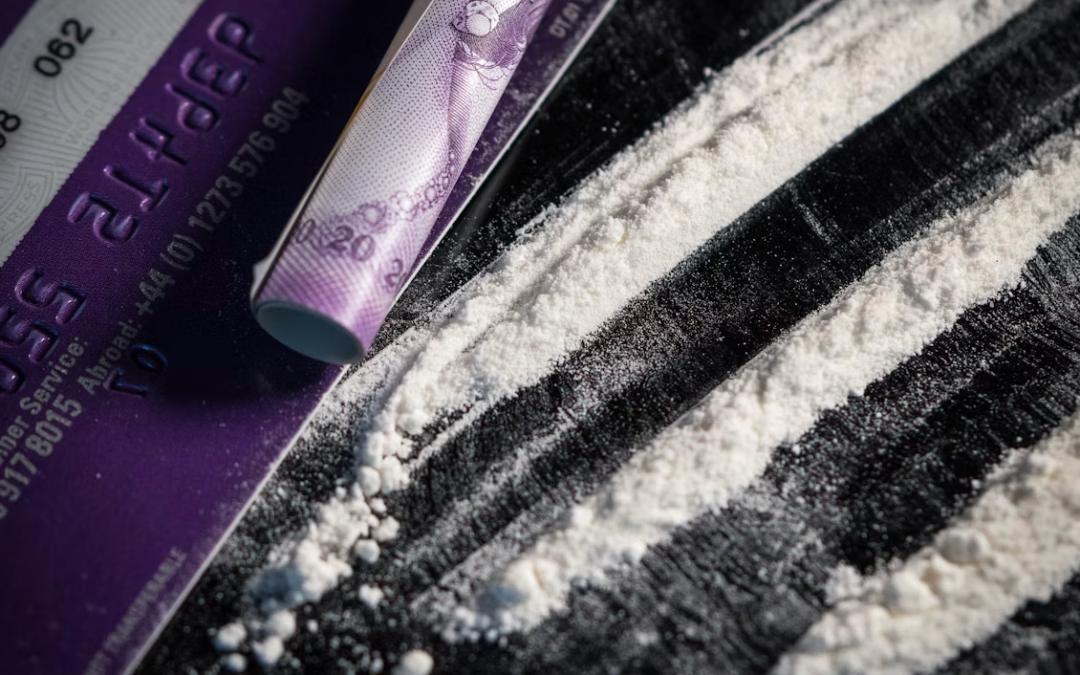
Cocaine use places serious strain on the heart, and the cardiac risks that come with it often stay hidden until a person feels them in a frightening, firsthand way. If you or someone you love is struggling with cocaine, worrying about health effects can feel overwhelming. Those feelings are valid, and you are not alone in facing them.
Many people assume the heart can handle far more than it actually can. The danger is real, yet so is the possibility of healing.
Understanding what cocaine does to the body is a gentle first step toward getting help. Knowledge can bring clarity, and clarity can open the door to recovery.
What Does Cocaine Use Do to the Heart?
Cocaine use forces the heart to work harder while narrowing the blood vessels that keep it supplied with oxygen. This combination puts intense pressure on the cardiovascular system, sometimes within minutes of use. The heart races while receiving less of what it needs.
The drug raises blood pressure and speeds up the heart rate at the same time. This double strain can push the heart beyond its safe limits.
Over time, these repeated stresses can weaken the heart muscle. Even a single episode of use can trigger dangerous changes without warning.
How Does Cocaine Affect Blood Flow?
Cocaine affects blood flow by tightening blood vessels and reducing oxygen delivery to the heart. When vessels narrow, the heart must strain to pump against that resistance. This can lead to chest pain or more serious events.
This narrowing effect is why some people experience heart problems even when they feel otherwise healthy. The heart may be under stress long before any symptom appears.
The body cannot always warn you in advance. That hidden nature is part of what makes the risk so serious.
Why Do People Underestimate the Cardiac Risks of Cocaine Use?
People underestimate the cardiac risks of cocaine use because the danger often stays invisible until something goes wrong. Many individuals use the drug for years without an obvious problem, which creates a false sense of safety. The heart can carry hidden damage quietly.
The pleasurable effects can also mask what is happening beneath the surface. A person may feel energized while their heart is under severe strain.
Youth adds another layer of false comfort. Younger people often assume heart trouble belongs only to older adults, yet cocaine can cause serious events at any age.
Why Does Age Give a False Sense of Safety?
Age gives a false sense of safety because heart problems are usually linked to later life in most people’s minds. Cocaine breaks that pattern by causing cardiac events in otherwise young, healthy individuals. The drug does not wait for age to catch up.
Emergency rooms see heart attacks in people in their twenties and thirties tied to cocaine. This reality surprises many who never imagined it could happen to them.
Recognizing this truth is not meant to frighten you. It is meant to help you take your own well-being seriously.
What Are the Warning Signs of Cocaine-Related Heart Problems?
The warning signs of cocaine-related heart problems include chest pain, a racing heartbeat, shortness of breath and sudden dizziness. These symptoms deserve immediate attention, especially during or after use. Your body is trying to tell you something important.
Some signs feel obvious, while others can be easy to brush aside. Learning them can help you protect yourself or someone you care about.
Common warning signs to watch for include:
- Chest pain, pressure or tightness that comes on suddenly
- A pounding, racing or irregular heartbeat
- Shortness of breath even while resting
- Dizziness, lightheadedness, or fainting
- Cold sweats paired with nausea or anxiety
If you or someone nearby experiences these symptoms, seek emergency care right away. Acting quickly can save a life.
These signs are never something to ignore or wait out. Getting help early makes a meaningful difference.
Who Is Most Vulnerable to Cocaine-Related Cardiac Harm?
People with existing heart conditions face the greatest risk from cocaine, though harm can reach anyone who uses it. Underlying issues like high blood pressure or a family history of heart disease raise the danger significantly. The drug can turn a hidden vulnerability into a crisis.
That said, no one is truly safe. Even healthy individuals without any known heart problem can experience sudden cardiac events.
Understanding your personal risk factors can help you make informed choices about seeking support.
Does Mixing Substances Increase the Danger?
Mixing cocaine with alcohol or other drugs sharply increases the danger to the heart. When cocaine and alcohol combine, the body produces a substance that is especially hard on the cardiovascular system. This raises the risk of serious harm.
Combining stimulants or other drugs can also intensify the strain. The heart faces conflicting demands it was never meant to handle.
If you use more than one substance, know that support is available for that too. A caring team can help you address every piece of the picture.
How Are Cocaine Use and Heart Health Treated Together?
Cocaine use and heart health are treated together through comprehensive care that supports both the body and the mind. Recovery means more than stopping the drug. It means healing the whole person and addressing any physical harm along the way.
At Impact Wellness Network®, care begins with understanding your unique story before any plan takes shape. This approach helps match you with the right level of support.
Treatment often blends medical oversight with therapy that explores the roots of substance use. Both parts matter for lasting change.
What Levels of Care Are Available?
The levels of care available range from medically supervised detox to residential and outpatient support, depending on individual needs. Each option offers a different balance of structure and flexibility.
- Medically supervised detox. This first step helps the body stabilize safely with professional monitoring.
- Residential care. People live on-site with round-the-clock support and full immersion in healing.
- Intensive outpatient care. Structured sessions happen a few days a week while daily life continues.
- Standard outpatient care. Regular counseling supports those who are further along in recovery.
A caring team can help you decide which level fits your situation. There is no single right path, only the one that supports you best.
How Does Therapy Support Recovery?
Therapy supports recovery by helping you understand and heal the deeper causes of cocaine use. Individual counseling offers space to explore triggers, stress and personal goals. This work builds the foundation for lasting change.
Group therapy connects you with others who truly understand the journey. That shared experience often eases the loneliness recovery can bring.
Over time, these tools help you build a healthier way of living. Healing the mind supports healing the body as well.
How Do You Know When It Is Time to Reach Out?
It may be time to reach out when cocaine use starts affecting your health, relationships or peace of mind. You do not need to wait for a medical emergency to deserve support. Reaching out early often makes the path forward smoother.
Consider whether any of the following feel familiar:
- You have noticed chest discomfort, a racing heart or other worrying symptoms after use.
- You feel unable to stop using cocaine even when you want to.
- Substance use is affecting your work, relationships or daily life.
- You worry about the toll cocaine may be taking on your heart.
- You sense a quiet readiness to ask for help, even if it feels scary.
Recognizing these signs is a sign of strength, not weakness. Support can meet you exactly where you are.
Common Questions Before Starting Treatment
Can the heart heal after stopping cocaine use?
The heart can often improve once cocaine use stops, though the degree of healing depends on the individual. Removing the ongoing strain gives the cardiovascular system a chance to recover. A medical provider can assess your specific situation and guide your care.
Do I need medical supervision to stop using cocaine?
Medical supervision is strongly recommended, especially if you have any heart concerns. A supervised setting keeps you safer and more comfortable during early recovery. Professionals can monitor your health and respond quickly if needed.
Is it safe to keep using cocaine if I feel fine?
Feeling fine does not mean the heart is unharmed, because cocaine can cause hidden damage. Serious cardiac events can happen suddenly, even without prior warning signs. The safest choice is to seek support and stop use with professional help.
Will treatment address both my heart health and substance use?
Yes, quality treatment supports both your physical health and your recovery from substance use. Care teams coordinate medical oversight alongside therapy and counseling. This whole-person approach helps you heal more fully.
What if I have used cocaine for many years?
Support is available and meaningful no matter how long you have used cocaine. Many people begin recovery after years of use and go on to reclaim their health. It is never too late to reach out for help.
Taking the Next Step Toward a Healthier Heart
Cocaine use carries real cardiac risks, yet understanding those dangers can become the turning point toward healing and hope. Protecting your heart and your future starts with a single, courageous step. You do not have to face this alone.
You deserve care that supports your whole self, from your physical health to your emotional well-being. Choosing to ask for help is one of the bravest and most hopeful things a person can do. If you or someone you love is ready to explore support, visit Impact Wellness Network to learn how we can walk beside you toward lasting wellness.