
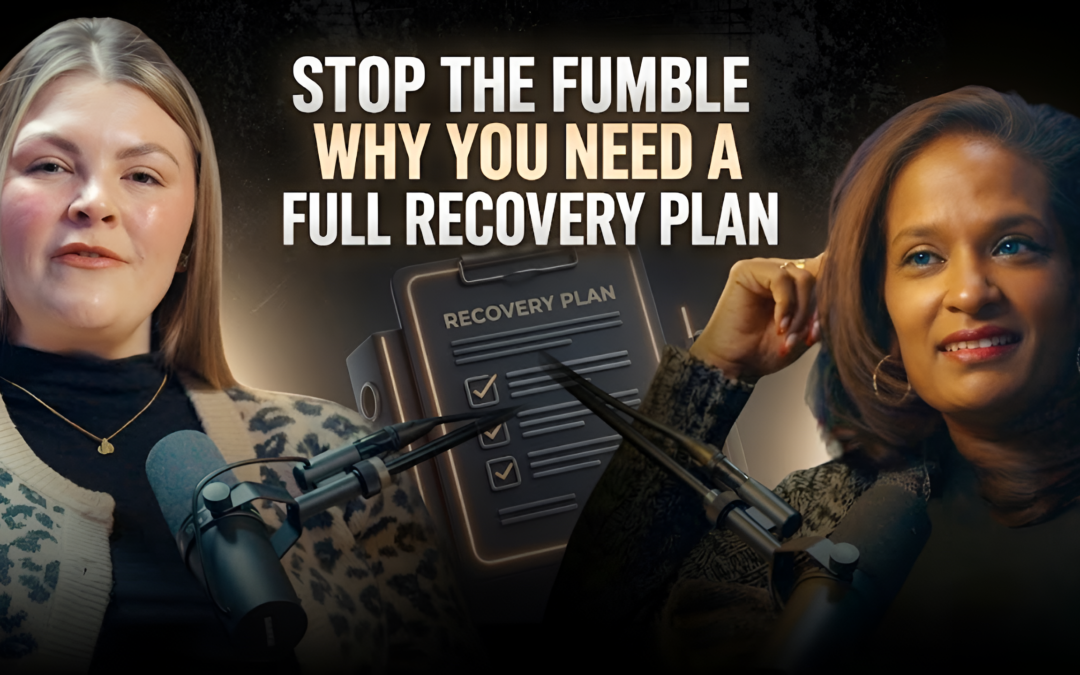
Addiction Treatment Levels of Care: Why Recovery Is a Process, Not a Race
SPEAKER_00 0:00
Hey everyone, we’re back. It’s Lainey and Natasha. And we um are happy to be back. We’re happy to continue to provide Super excited. Yeah, continue to provide that support. So we in the last episode talked a little bit about um just kind of Impact Wellness Network® and what they do. So if you haven’t listened to that, you can always go back and just kind of get more information on that. But today what we want to do is talk about the levels of care. You know, I don’t know about you, Natasha. I mean, I’ve worked in this field for some time, but before I worked in this field um and I had a family member who struggled, I I didn’t know. I mean, my knowledge of like what treatment was was, you know, like intervention 28 days. Like I had no idea.
SPEAKER_01 0:43
You’re not wrong. Yeah. You’re not wrong.
SPEAKER_00 0:45
And I think there’s a common misconception out there. Um, you know, that treatment is just kind of like this one and done. You go in and you detox and you’re done and you’re good, or you go in for 30 days, or you know, for me, 28 days because of the movie, um, you know, and you’re good to go. Like I really had no idea like what each step was, right? Um, and I think a lot of people may may struggle with that. And so I’d like to kind of just break down like what each of those steps are. So maybe we’ll start off and you can just kind of like tell us what the steps are, and then we can go in to some more specifics.
SPEAKER_01 1:20
Yeah, for sure. Yeah, because you raise a really good point. I would, you know, again, I started in this field 25 years ago, and programs were either 21 to 28 days. You were in one place, you did what you needed to do, and then you went home. And that might have worked maybe for a period of time. But we we quickly saw how high the relapse rate was the minute that you left what many clients refer to as the bubble. Right? We were in a bubble for seven, ten, fourteen, twenty-eight days, where it has uh has a lot of structure, a lot of 24-hour monitoring, and then you get discharged and you go home, and all of that is completely gone. Right? You don’t have routine, you don’t have structure, you do there’s no monitoring, and most importantly, there’s no accountability. And so the relapse rate was extremely high. So I started working in this field where I started to start start to see those um lower levels of care, right? So you start with detox, and maybe as I mentioned, the level of care you can tell us a little bit about for IWN® um locations, just kind of what is entailed in the detox level of care.
SPEAKER_00 2:31
Yeah. So detox um is all about medical monitoring, um, medical stabilization. Um, you know, when your loved ones come in for substance use treatment, um, you know, typically they’re gonna have to go through a detoxification. You know, they have withdrawal symptoms, and there’s a lot that goes into that. And so our main priority at detox is rest, medications, monitoring. We want to give the brain and the body time to kind of come out of that in a in a safe way, right? So we, you know, provide medications that will assist in kind of decreasing some of those withdrawal symptoms, making them a little bit less intense. Um, you know, at Impact Wellness Network specifically, we do have um copper tubs and massages to kind of help with that process. Um, and I think those are important things to help, you know, kind of alleviate some of those like symptoms and kind of help them through that process. We do make sure that we have a staff on the clinical team check in with them daily because detox, while you know, our main focus is on the physical body, um, you know, there’s a lot happening up, you know, in your head and your heart and all that. So we have someone check in daily. We do offer groups during detox. So if they’re, you know, able to go, we want them to go. But if they’re not, like we want you to go rest. Um, 24-hour nursing, um, you know, and for us during detox, that’s when they’re going through a lot of assessments as well, right? So we just kind of use this first, you know, week on average um to really get to know them. One thing I will say for family members out there. So, families, listen up, turn the volume up, get ready to hear it, okay? Detox is a space where you’re probably not going to hear from your loved one.
SPEAKER_01 4:07
I was just getting ready. I was gonna ask you, Lainey. You know, there’s a lot of people out there that is hearing this, and it’s like, okay, this is really great for my loved one. But what happens when they get in there? Do I get to talk to them every day? Do I get to call? Are they gonna call me? When are we gonna be able to do family therapy? Like, these are just some of the questions families have asked throughout the years, right? So I know that there’s somebody out there listening that is wondering that. So what would you say to that?
SPEAKER_00 4:32
I would say, first, I would say I understand where your anxiety is coming from. I think that that’s huge, right? Like, let’s just acknowledge, you know, um, Natasha and I have been through this, so please know that like there is no judgment when we say things. Um, and half the time the things that I say, I’m talking to myself. Um, so no that it’s it’s you know, there’s no judgment. But detox is really a space for them to get well and also a space for you to have time to rest, knowing that they’re in a safe space, right? And so I know you want to make sure that they’re okay. And I also want to assure you that as long as we have a release of information, which is permission to speak with you, um, we will let you know if anything happens. We will give you a call, we want you a part of the process. That’s why we have family services. Um, but I want you to consider for a second, anybody listening out there, and Natasha, maybe you can answer this if they are having trouble. If you had the flu and amplified your symptoms by 10, and you felt like you were on your deathbed and just trying to rest, would you want to make a phone call every single day to your loved ones who you have probably hurt the most in your substance use?
SPEAKER_01 5:43
So let me start by saying that I’m a recovering addict and my detox was benzos and alcohol. And I’m gonna tell you right now that I was fighting for my life, and the last thing I was thinking about was anybody else getting a phone call. The only thing on my mind was, am I gonna live through this? Right. So, and that is not, you know, to offend anyone or to hurt anyone’s feelings. You know, for the moms and dad, dads, husbands and wives, I know you love your loved ones and you want what’s best for them. But when we are in the thick of things as we are detoxing, um, we’re just we’re trying to find comfort as we go through this process. And as you were describing earlier, just all that entails in detox, what I’m hearing is Impact Wellness Network ensuring that the client is as comfortable as possible as they’re going through that detox process. And that is really, really, really important.
SPEAKER_00 6:32
Yes. And that is what we’re trying to do. And, you know, something I mentioned earlier is that through the detox process, um, we’re also doing a lot of assessments to get to know your loved one. So, yes, you will hear from somebody during the detox process. Um, the way the Impact Wellness Network does it, um, you know, the primary therapist will reach out to you after they completed the assessment because they want to make sure they have some information to give you, right? So they want to meet, you know, meet your loved one. Um, so give them some time to do the assessment. Um, then once they are done with that, I’d say give another day or two, and then you will hear from our family program coordinator as well. So you will have people reaching out to you. Um, you know, just I always say that from the time you drop your loved one off or from the time that we come and pick your loved one up, here is what you can do for yourself. Go curl up in your bed and go to sleep, knowing that they are safe because you probably haven’t slept in a few days. And that’s all you have to focus on. You don’t need to keep your phone next to you. I promise if you miss our call, you can call back or we will call you back. Um, but just utilize that time to rest. Um, because once they’re out of detox, we go to the next phase. Um, and that’s where you start to come in a little bit more. So you need to prepare.
SPEAKER_01 7:42
Before you go into the next phase, you know, I like to play devil’s advocate. So let’s talk about what you’re saying sounds great. And for the families that have a release of information, permission to be able to speak to their loved ones while they’re in treatment. What about the clients or the loved ones that don’t sign a release of information and the family doesn’t hear from them for a week? Can we render any support to families that might not get that first phone call in those first few days?
SPEAKER_00 8:09
Yep. Keep listening to this podcast. Yes. Um, so that is hard, right? Because you know, your loved one is the one who kind of dictates who gets that release of information and that permission to, you know, for us to talk to you. Um, if you’re not the family member that’s on there, um, I would say that your best bet is gonna be I’m gonna give you the same advice. Let’s just rest assured knowing that they’re in a safe place, and you may not get any of the information now. You may not get any of the information ever, but you know that they’re in a safe space at least for today. So for today, you can go to sleep, right? You can put your phone down, and you can go and do things that you need to enjoy. So, um, so yeah, definitely. I anytime I talk to families that first week, um, I remember the feelings I myself went through. Um, and so I always try to remind them just take, just take a breath. Right? We don’t have to worry about the future, we just gotta worry about right now.
SPEAKER_01 8:59
Well, and the reason why I asked that is when my loved one was in treatment at one point, uh, a release wasn’t signed for me for the first week. It wasn’t until they got to residential, which I know you’re gonna talk about next. Um, so following detox, um, which is on average, would you say seven to ten days?
SPEAKER_00 9:14
Yeah, typically on average, you have about seven to ten days of detox.
SPEAKER_01 9:17
And so it wasn’t until, and so he was in detox um for about seven days, and so I didn’t hear from him at all. But when he stepped down to residential, he then signed a release of information um for me to be able to be a part of the process. So that’s one of the reasons why I asked that question.
SPEAKER_00 9:32
Yeah, absolutely. Um, so Natasha brought it up. So residential is the next step, right? So, like I said, these are all steps. Um, we’ll kind of wrap it up a little bit at the end for you all too to kind of put them all in one. So you have detox first, then residential. Um, so residential is all about clinical stability. Um, this is where we really kind of amplify some of the, um not some, but all of the clinical services. Um, we want to start to utilize the assessments to develop a treatment plan, get them into individual therapy, get them into group. Group now becomes mandatory. Um, and at this point, this is where we start to really include more of the family. Um, so residential is where family therapy can start. I’m not going to say will start because it is dependent per person and per family, right? So at residential um level of care for Impact Wellness Network, they will get to see their individual therapist a minimum of three times a week. Um, you know, that three times a week can be three individual sessions, it can be two individual sessions, one family session. Um, again, that’s gonna be determined on their treatment plan that they make. And then they’re also in group pretty much all day, every day. Um, so there is, you know, there they do get breaks. I mean, you know, we’re not, we’re not mean, um, but we want to get them in group, right? We want to provide structure. Um, we do still have 24/7 medical monitoring at this phase because while they may be out of detox, they can still have some lingering withdrawal symptoms that may come up. And so we want to continue to monitor those. Um, but for the most part, what we’re doing here is we’re just trying to incorporate um what structure can look like. Um, you know, what does it mean to have structure and really trying to get their brain used to just functioning again? Um, so yes, the groups are important and therapy is important, but I’m gonna be quite honest with you, um, your loved ones aren’t really grasping a whole lot at this level.
SPEAKER_01 11:26
So I think that’s a really, a really, really good point. So it’s important for us and our viewers, anyone that families that are listening to this, that in detox, your loved one is trying to medically and physically stabilize, right? So although groups are available and yes, the therapist checks in with them, mentally and emotionally they’re not there. And so one of the reasons why we don’t encourage the family therapy at that, you know, that first level of care is they’re not mentally and/or emotionally equipped and/or prepared to even put their thoughts and their feelings, you know, in place to be able to have a healthy conversation. Is that fair to say? Right. And so when they start, when they step down to residential, we’re looking to see that they’re going to groups, that they’re able to concentrate, that they’re able to pay attention in groups, that they’re engaging and participating in groups. And the reason why it’s I feel it’s important to talk about this and spell it out, usually about 14 days into this process, clients do start to physically feel better.
SPEAKER_01 12:30
Right?
SPEAKER_00 12:30
That’s when they call mom. Hey, mom, come pick me up.
SPEAKER_01 12:33
Maybe not mom, feel in your relationship, but yeah, yeah, they’re usually calling that family member to say, I feel great. This was wonderful, the treatment center did amazing. Guess what? I’m ready to come home, I’m ready to go back to work, I’m ready to do all the things. But what we want our families to know, and I think this is a fair statement, is that it’s important to understand that mentally and emotionally, they’re not stabilized. And that is what the introduction of residential, and as we go into the next level of care, that’s how important and how valuable it is. Because if they were to call a family member and say, okay, I feel great, you know, you know, I don’t want to use anymore, and we come and pick them up, right? Can you talk a little bit about what the risk looks like of relapse if we were to leave that quickly out of treatment?
SPEAKER_00 13:19
Yeah. I think it’s a good point to bring up. Um, you know, because again, family members, if you’re anything like me, my loved one says the right things and I’m I’m there, right? Um, you know, you’re saying all the things that I haven’t heard before. Um, and I don’t doubt for a second that your loved one truly believes that when they say it, right? Um, but here’s what you have to recognize detox, they don’t do anything other than rest. All the way down to we do their laundry, we make their food, we tell them when to eat, right? We tell them when to wake up. Residential, the only thing that they get kind of back in their responsibility at that point, um, is their laundry and a maybe an hour of free time, maybe, right? Um, that’s it, right? So they they may have this desire and this intention to say, you know, I’m good, I feel better, I’m gonna, I’m gonna go to work, I’m gonna create structure at home, I’m gonna do this routine, but their brain hasn’t been able to even create that structure and routine whenever someone is telling them what the structure and routine is.
SPEAKER_01 14:20
Well, and they don’t know how either, right? I mean, I know for myself in my active addiction, I had no routine, I had no structure. So when you’ve spent months and years not having routine, not having structure, not being held accountable, listen, guys, this may hurt a little bit, but 14 days, 21 days, 28 days into treatment, I’m not gonna learn so quickly, you know, like a it’s not a magic wand, right? That I’m just gonna learn on how to establish for myself on my own routine structure and accountability. That’s something that needs to be learned. And that’s where I believe residential opens the door for us to start taking that responsibility.
SPEAKER_00 15:01
And that’s what we’re doing, right? In residential, we’re we’re constantly redirecting, we’re constantly saying, you know, hey, I understand you’re really upset, but slamming the doors is not acceptable, right? Like we’re we’re constantly trying to train them, essentially, right? Kind of train the brain on this is what structure and routine looks and feels like. And even on your bad days, this is how you still get up and do it, right? So it’s it’s a crucial part of treatment, it’s an important part of treatment, and it is not the last stop of treatment because if you go home and you’re expected to just do this whenever someone else has been doing it for you, it is very difficult.
SPEAKER_01 15:39
Yeah, the risk of relapse is high because, first of all, uh, you know, the family member has this unrealistic expectation that you’re gonna come back home and you’re just gonna be able to fall into this routine automatically, and you’re gonna go back to work and life, quote unquote, is gonna be normal, right? Which I’m not a fan of that word, but we’ll get into that another day. Um, but it it’s not that easy, right? We have to practice skills, and residential is teaching you the skill. So if you’re in a hurry to get back home or to get back to work or to get back to whatever it is that you had left behind, you are not mentally and emotionally prepared, nor have you learned the skills necessary that is gonna help you outside of a structured and monitored environment.
SPEAKER_00 16:20
Well, you might have learned them because you know, groups are repetitive, and all you clients out there that have been to treatment, you can start laughing, and families who have heard it, right? Um you might have learned them, but you haven’t been given an opportunity to practice them. Um and that takes us right into the next level of care, right? So um next level of care is uh PHP, and everyone’s like, I don’t know what that means. PHP stands for partial hospitalization program. Um, and this is where a lot of people they like to turn us off, right? They’re like, all right, I’m done, right? They kind of lose um lose interest at this point. Um, this is where a lot of people are not familiar with what this step is. Um, you know, the detox residential is usually that 30 days home type ordeal. Um, but this step is in is a step that is actually in between um residential and going home. Um this phase is where you are giving, you’re given opportunities to implement your own structure. Um, PHP is what I like to call the practice phase. This is where we actually get to practice some of the things that we’re doing. Um so what that step down typically looks like is you um you will go to this level of care. Um typically you will stay in a like housing environment to kind of give get your brain associated with like being back at home. Um you’re given the responsibility of typically, you know, making your own food, um, waking yourself up, you have chores in the home, um, you get your phone in the evenings, um, you’re gonna have more free time in the evening. Um, and all of those things may sound simple and you’re like, well, I don’t need that. I know how to handle that. But you but this is where you’re learning to handle that with being sober, right? And so for family members listening, it’s kind of like, you know, oh, well, they were doing that before. Well, they might have been doing it before, but they were doing it while intoxicated, right? And so now this is an opportunity for them to say, you know, what happens when I’m given my phone back and I can scroll on social media, because I don’t know about you all, but social media is the one thing that’s gonna, you know, put me back into a bad space, right? Absolutely. Or what am I gonna do when I have free time in the evening? And I now need to figure out how that’s gonna look in my recovery. Let’s talk about that boredom, right?
SPEAKER_01 18:35
How many people say that I get bored and I don’t know what to do with my time?
SPEAKER_00 18:40
Right? Yep. Or, you know, what’s gonna happen when I have to go to a meeting and talk to people, right? At PHP, they’re gonna start taking them to outside community meetings. They’re gonna take them to those meetings so that they can actually see what it’s like to go up and talk to the speaker or talk to the person sitting next to you, um, get phone numbers, build that community. You know, that we always say the opposite of addiction is connection. Um, and PHP is where you get to start that connection. You get to figure out how do I connect with people when I’m sober, the people that I’m already connected with and new people I need to connect with.
SPEAKER_01 19:12
And so I’m hoping that our families are hearing this and understanding that if you agree to taking them home after residential, how are they gonna learn connection? Correct. How are they gonna get comfortable? How are they gonna even develop a system of support? Right? Right. Now, a lot of families, and you can attest to this, where the family’s like, well, I’m here, I can be your support, right? But is that something that is enough for someone in early sobriety?
SPEAKER_00 19:40
Well, I’m gonna use an analogy to make it short and sweet and then keep coming back for future episodes. Um if I need to learn how to bake a cake, and I go to my mom who has never baked a cake, which my mom has, but for this example, right, she’s not going to be able to teach me how to bake a cake. And for anybody out there listening, um, if you’re a family member who’s like, well, I’ve been to treatment, so I can help my loved one in treatment, what I’m gonna say to you, right, is that it’s not just about the substances, there’s a lot more that goes into it. So at Residential, we talked about how they learn the skills, right? They learn skills to manage their emotions, they learn skills on how to communicate, they learn skills on how to set boundaries, they learn skills on conflict resolution, right? They’re going to learn how to implement those skills at PHP. And families, hold your seats for me for a second. You also need to learn those skills.
SPEAKER_01 20:41
Well, I was just gonna say that, and this might hurt, and this may sting a little bit. If you could help them, or you, if you being the only support is what worked, then why didn’t it work before?
SPEAKER_00 20:55
Ouch. That’s right. That’s right, right? There’s that sting. But it’s something that I think is important for us to listen to, right? Um, I do want to touch on really quickly and kind of backtrack from this. And again, family members, hang with us. We’re gonna talk about this topic a little bit more about what support looks like versus um enabling. And, you know, we’ll talk about all that. But, you know, in PHP, not only are they given the opportunity to practice these skills, but they’re still in group, right? They’re still in group, they’re still seeing their therapist, they have a case manager, um, they have a psychiatrist to continue to monitor those medications. And those are all things that it’s just not the family’s responsibility to do that, right? And so, you know, at PHP, they’re gonna be in group for Impact Wellness Network. We do a Monday through Saturday group schedule, nine to three. Um, they’re gonna get to see their therapist twice a week. That can include family therapy as well, so that can continue. Um, and then they also, like I said, get a case manager they see once a week, and then they have a psychiatrist to continue with medication management as well. Um, but the thing is at PHP is that the clients now become responsible for taking their medications, which is a huge thing. That I know a lot of families have said they could they stop taking their medications. Well, now they’re gonna learn that it’s their responsibility to do it. Um, and then in addition to that, you know, as if you were listening, um they’re only in groups six days a week. There’s seven days in a week. That seventh day is designed for them to learn um how to have a free day, right? So we still structure it for them. Um we have outings that we take them to. Um, I’m not gonna lie, sometimes I get a little jealous of the things they do because it seems really fun. But um, but they’re doing that so they can learn how to have a life and how recovery can play into that managing life, work, and recovery. Correct, right? Um now Natasha brought up a word work. Everyone wants to say, can they work at PHP? No, um, they should not. Um, but what they can do is if they continue on with the process and follow the steps, they will get to work at that next level of care. Um, before I move too fast. Is there anything left for you to add in PHP?
SPEAKER_01 22:57
Um, I think I want to talk a little bit about the family piece, the family therapy, just for a second. Um sometimes family therapy, it is up to the clinician um based on the the assessments and information that they’ve gathered to determine if family therapy is appropriate as well. And so there are moments, I wouldn’t say a lot, but there are times where family therapy, would you agree, that uh may not be appropriate at that level of care. It does not mean that they won’t have family therapy. Now, you can still check in with the therapist weekly. You are still welcome and invited to the online support group once a week. You’re definitely welcome to attend the three-day weekend retreat that we have. But sometimes at family therapy, um, it may not be appropriate. Can you maybe give an example of one reason why sometimes we may not have family therapy?
SPEAKER_03 23:48
Yeah, I mean, there’s a lot of reasons why family therapy may not be appropriate. Um, it could be a matter of, you know, if the family member is continuing to abuse substances, um, you know, that’s not gonna be safe for the client who’s trying to stop that. Um, it could also be, you know, and families hold tight when I say this, but if the family isn’t, you know, very good at communication, um, that’s gonna be difficult, right? The client’s still trying to figure out how to cope with their own stuff. And if the family is, you know, still struggling with their own emotions and um can’t manage their emotions or communicate effectively, we may need to, you know, give a little space before the family comes in. Not that you can’t come in, we will work towards that, but working towards that may mean that the family needs to work closely with the family program coordinator um just to hone in on some of those skills a little bit more before bringing them in.
SPEAKER_01 24:37
So, so families, if you’re if you’re listening and you’re still tuning in and you haven’t turned us off yet, right? Please understand that our family services is fully integrated. And so there’s a lot of different aspects to the family services. So even if your loved one is admitted into the program and you’re not getting that family phone call and the family therapy yet, you still have a weekly phone call with the family program coordinator. You are always, always invited to our online support group that’s once a week at the appropriate locations, right? Yep. And then you have the retreat. So there’s still other ways to be connected. There’s still other ways to be involved and to be able to learn so that you can learn how to support your loved one. As you mentioned, let’s say on the front end I’m having difficulty talking with my family member. I will learn the skills, right? You will teach us that in the online support group on how to communicate more effectively so that we can have those family therapy sessions.
SPEAKER_00 25:32
Yes, yes, we will absolutely. The family program coordinator will work with you throughout all these levels of care with Impact Wellness Network to make sure that they are giving you the support and skills that you need. Um, you know, I always say that you have that group, and that is the best thing that you can do is get in there, learn so that you’re ready whenever it’s time for you to come in. Um yeah, absolutely. Perfect. Next step.
SPEAKER_01 25:57
IOP.
SPEAKER_03 25:57
All right. Next step is IOP. Um so I’m gonna do a quick recap. You have detox first, residential second, PHP or partial hospitalization program third. And then the fourth step is IOP or intensive outpatient. Um, this is the level of care where they return to work, right? Now we can get them back into work. Um, they’re still gonna have group, they’re still gonna have individual therapy, they can still have family therapy as well. Um, and on the family’s end, this is where you’re gonna continue to go to group. Those phone calls with the family program coordinator are gonna start dying down because we want you as a family member to engage in your own community supports, right? Um, so you’re gonna still have that group available to you to continue to learn and grow for yourself. Um and then your loved ones are gonna go to group. Typically, um IOP is about eight to 12 weeks long. Um, you start off at about five days a week, three hours a day. And then over a period of time, you will drop down to three days a week, um, three hours a day. Um so initially, when you come out of PHP into IOP, we want your schedule to be work and recovery. We don’t want to have a lot of idle time. We don’t want a lot of boredom. Um, you know, obviously you still have your weekends available, right, to kind of do things like that. And for families who are listening, um, so no, you will not have your loved one back full time at this point, right? They still need structure, they still need to do all the things. Um, but we want to start off kind of with that, you know, let’s wrap around all this support. You’ll have Saturday and Sunday to figure out how you’re gonna manage that time, but you’re gonna come back to group on Monday and process how you spent that time. Um, so IOP is this is this integration of, okay, we’re returning to life, but I still have a strong support here to help me kind of navigate this and what it looks like. And then, like I said, over time, that will kind of slow down so that you can slowly integrate your, you know, your life back into what recovery is.
SPEAKER_01 27:51
So building a recovery foundation is so important because without it, you know, you’re out here living life. And I speak from personal experience of, yeah, I was out there before living life, but I was actively using, and as I mentioned before, no structure, no monitoring, no accountability, right? I did what I want, when I wanted, how I wanted, um, which just left life very unmanageable for me. So what you’re describing is that when you come into the intensive outpatient, I start to re-acclimate back into real life. But by building, by maybe going to meetings, continuing it individual therapy, which is once a week, attending those IOP groups, I am building a network of support. Right. I’m building this community of people and systems in place and learning more skills, having an opportunity to practice those skills so that I have a firmer foundation to stand on. Is that fair to say?
SPEAKER_00 28:46
Absolutely. Yep. Right. Yep. And I think that that’s an important part. Um, you know, and to be quite honest with you, most people will say, yeah, I’ll do IOP. Um, and then they don’t stick to it through the end. Um, and sticking to it through the end is important because it’s that slow step down.
SPEAKER_01 29:01
Right.
SPEAKER_00 29:01
Right. It’s that slow step down and building that foundation, building that community, building that connection and all the tools that’s needed for that. So absolutely. Um, that one was probably our shortest one, unless you have things to add.
SPEAKER_01 29:12
I mean, for me, I’m I’m gonna add this. So it was recommended for me to get connected to a 12-step base program, you know, and so I know that for some people can be a little uncomfortable because if you have social anxiety or maybe you’re socially awkward or you’re not big on connecting. Remember, addiction is about emotional disconnection, and recovery is all about connection. So the idea of connecting when you haven’t connected for so long can be very uncomfortable. Yeah. And many are very resistant. And I remember the very first time I was asked to start a 12-step program, and I had to go to a meeting to meet people and to hear about how other people, you know, came through on the other side. I had so much anxiety, so much anxiety that I remembered sitting at the foot of my bed going, Do I really want to do this? Right. I can’t stress enough the importance of support and the importance of connection. So I encourage everyone to give the 12-step program a chance. You have nothing to lose but everything to gain. So, in addition to your learning to manage, going back to work, going back to your families, when we talk about recovery, it involves you working some sort of a program, is that fair to say?
SPEAKER_00 30:26
Yeah. And they should, you know, ideally, if they’re following, you know, these levels of care, they you will start getting a taste of 12-step programming in residential. Um, you’ll start to get your feet a little bit more wet at PHP. Um, and then an IOP, it’s that opportunity to really um find what your program is while you’re returning to life, right? Um, but IOP is gonna help to instill and process all the anxieties and the fears that come along with that. Um, so you know, at the IOP level of care, you should really be finding, you know, your home group, your sponsor, um, you know, whatever is involved in your 12-step programming. And um, you know, make sure that you’re doing that in conjunction with the IOP. Right. Um, because that’s gonna be IOP is your place to kind of process and do the therapeutic work. Um, and then the 12-step program is where you find your people. Correct. Right? Um, not that you’re not gonna find your people in IOP, but it’s, you know, that therapeutic base.
SPEAKER_01 31:18
Absolutely. I think, and there’s a balance of both, right? There’s a balance of what I need therapeutically, what I need on a clinical level, and then what I’m gonna need because I’m not gonna be in the clinical space or the therapeutic space um for the rest of my life. Correct. So this is an opportunity to build that network of support through these programs and through these meetings and meeting like-minded people. Right. I’m now surrounded, surrounded by people who are stepping through those doors that are wanting to get sober as well. Or I could tell you meetings I’ve been to where there are people that have our double digits that are 10, 15, 20 years, 30 years sober. I want to know what they did to be able to get to that point in their lives. Right. I want to be around those individuals. So, of course, you know, for a lot of us, because we’re scared, the idea of it is scary. But my question is, what do you have to lose? Right. Right? We’re coming into a space where we’re kind of starting new. And yeah, you would say, well, I’ve never been there. I’ve never been there either. You know, going to it was scary, but I had to take that step anyway. And I’ll tell you guys, I’m 15 years sober, and I give the credit to my sobriety, my life, and everything I have to a 12-step based program. And I wouldn’t change it for anything in the world.
SPEAKER_00 32:30
Absolutely. So just to kind of recap a little bit here, we have detox, residential, PHP, IOP. All right. Um, there is outpatient that follows IOP, um, and outpatient is something that is your ongoing care, what you’re gonna continue to do, therapy, you know, group, if you want to do group once a week, um, you know, whatever that care looks like for you. Um, but I want to wrap it up in a little analogy here. So we’re gonna wrap this up. Um, anyone who’s worked with me knows I love analogies. Um, so sports, right? Anyone out there who’s played sports or is just familiar with sports, um, detox is kind of like signing up. You’re like, hey, I’m gonna go sign up to play baseball or basketball or whatever, right? You’re just signing up. Um, that’s what you’re doing at detox. You’re signing up. Residential is when you go out, and you buy all the things that you need for that sport, right? So, you know, for baseball, you’re gonna have to go out and buy cleats and pants and a bat and a mitt and, you know, all the different things, right? Um, so that’s what residential is. You’re kind of getting all the things that you need, right? You’re gathering all the things. PHP, that’s the practice, right? That’s where you show up to practice. You go into practice, you probably make some mistakes, but you figure it out. The coach is there to correct you. Um, and so you’re going to practice. And then IOP is the game time. We’re showing up for the game, right? Um, and I’m gonna I’m gonna throw it out there, right? I don’t know how many of you all are gonna show up to a game without practicing.
SPEAKER_01 34:01
I was just gonna ask you that. So you’re saying to me that when I leave residential, and I skip PHP, you mean I skip, I skip practice. Right. And I just want to go in and play the game with an IOP. Got it. Absolutely. I like that.
SPEAKER_00 34:14
So if you get anything from this, just remember, right? Your loved one needs to sign up. They need to get everything they need to get, they need to practice, and then they need to go to the game. Don’t let them skip practice, don’t let them skip getting all the tools that they need, right? Because they’re gonna fumble 100% play the game. 100%. Absolutely perfect. Well, that’s it. So I guess we will see everyone next time. Yeah. Um, remember if you don’t have support right now, we can be your support until you’re ready to get support. Um, but when you are ready, you can go to impactwellnessnetwork.com, and we’d be happy to give you that support. So until next time.
SPEAKER_01 34:49
See you guys next time.
One of the most common misconceptions about addiction treatment is that recovery happens after a single stay in rehab. In reality, lasting recovery isn’t a one-time event; it’s a journey that requires time, structure, support, and a gradual return to everyday life.
In this episode of the Impact Wellness Network Podcast, we break down the different levels of care in substance use treatment and explain why each stage plays a vital role in building a strong foundation for long-term recovery. Just as an athlete wouldn’t expect to compete at a high level without training, individuals in recovery need the opportunity to develop the skills, confidence, and support systems necessary to maintain sobriety after treatment.
Skipping steps may seem appealing, especially when someone starts feeling better, but doing so can significantly increase the risk of relapse. Every level of care serves a purpose, helping individuals progress safely and successfully through recovery.
Recovery Isn’t “One and Done”
Many people enter treatment believing they’ll complete a program and immediately return to life exactly as it was before addiction. While that desire is understandable, recovery doesn’t work that way.
Addiction affects far more than physical health. It impacts thought patterns, emotions, relationships, routines, and coping skills. Healing takes time, and each phase of treatment addresses different aspects of recovery.
Rather than rushing through the process, effective treatment gradually reduces support as individuals become more stable and confident. This allows them to practice healthy behaviors while still having professionals, peers, and loved ones available to help when challenges arise.
Think of recovery as building a house. You wouldn’t install the roof before pouring the foundation. Each step builds upon the one before it, creating lasting stability that supports long-term success.
Detox: The First Step Toward Recovery
Detoxification, commonly called detox, is the starting point for many individuals entering addiction treatment.
During this phase, the focus is on safely managing withdrawal symptoms under medical supervision. Depending on the substance being used, withdrawal can range from uncomfortable to life-threatening, making professional medical care an important part of the recovery process.
Most detox programs last approximately seven to ten days, although the exact timeline varies depending on each person’s medical history, substance use, and overall health.
During detox, individuals are focused on stabilization. Their bodies are adjusting to functioning without drugs or alcohol, and much of their energy is devoted to simply getting through withdrawal safely.
Because of this, family communication may be limited during the early days of treatment. While this can be difficult for loved ones, it’s important to understand that the individual isn’t ignoring their family—they’re concentrating on surviving one of the most physically and emotionally demanding stages of recovery.
Residential Treatment: Building Structure and Stability
Once detox is complete, many individuals transition into residential treatment.
This level of care provides a highly structured environment where clients begin addressing the underlying causes of addiction while developing healthier routines and coping strategies.
Residential treatment typically includes:
- Individual therapy
- Group counseling
- Educational sessions
- Relapse prevention planning
- Mental health support
- Daily structure and accountability
One of the most common challenges during residential treatment occurs around the two-week mark. By this point, many people begin feeling physically better and believe they’re ready to leave treatment.
However, feeling better isn’t the same as being prepared.
Although withdrawal symptoms may have subsided, individuals are often still emotionally vulnerable and mentally adjusting to life without substances. The coping skills they’re learning are still new, and they haven’t yet had the opportunity to practice them outside of a controlled environment.
Leaving treatment too early can place someone back into stressful situations before they’ve developed the confidence and tools needed to navigate them successfully.
Partial Hospitalization Program (PHP): The Practice Phase
After residential treatment comes the Partial Hospitalization Program (PHP).
This stage is often described as the practice phase of recovery.
Rather than remaining in a fully structured residential setting, individuals begin applying the skills they’ve learned while continuing to receive significant clinical support and accountability.
PHP serves as a bridge between intensive treatment and greater independence.
During this phase, individuals continue participating in therapy, educational groups, and recovery programming while learning how to manage increasing responsibility in their daily lives.
This transition is incredibly valuable because it allows people to make mistakes, ask questions, and strengthen new habits before returning home full-time.
Recovery isn’t about perfection. It’s about learning how to respond differently when life becomes challenging.
PHP provides a safe environment to practice those new responses.
Intensive Outpatient (IOP): Putting Recovery Into Action
The next level of care is the Intensive Outpatient Program (IOP).
If PHP is practice, IOP is game time.
During this phase, individuals often begin returning to work, school, or family responsibilities while continuing to participate in structured treatment several days each week.
IOP helps individuals:
- Continue individual and group therapy
- Build healthy routines
- Strengthen relapse prevention skills
- Expand their support network
- Participate in community recovery resources
- Practice maintaining sobriety while managing everyday life
This stage represents a major milestone because recovery becomes integrated into daily living rather than existing only within a treatment setting.
Community support also becomes increasingly important during IOP. Many individuals begin participating in recovery meetings, peer support groups, or 12-step programs that provide ongoing encouragement long after formal treatment has ended.
Why Every Level of Care Matters
During the podcast, we compare recovery to participating in a sport.
It’s a simple analogy, but it clearly illustrates why every stage is essential.
Imagine deciding you want to play a competitive sport.
- Detox is signing up for the team.
- Residential treatment is getting all of your equipment.
- PHP is attending practice.
- IOP is game day.
No athlete would expect to perform well by skipping practice and jumping straight into competition.
The same is true in recovery.
Each phase develops new skills, reinforces healthy habits, and prepares individuals for the next level of independence. Attempting to skip steps often means missing opportunities to build the confidence and resilience needed for lasting sobriety.
While every recovery journey is unique, completing each recommended level of care gives individuals the strongest possible foundation for long-term success.
Family Is Part of the Recovery Journey
Recovery doesn’t only affect the individual. It impacts the entire family.
At Impact Wellness Network, we believe lasting healing often happens when loved ones are included in the recovery process whenever appropriate.
Family involvement is integrated throughout treatment, but the timing of family therapy isn’t the same for everyone.
Clinicians carefully assess each situation before introducing family sessions. In some cases, individuals need time to stabilize emotionally before engaging in productive conversations. In others, family members may benefit from education and preparation before beginning therapy together.
The goal isn’t simply to bring everyone into the same room. The goal is to create healthy, constructive communication that supports long-term healing for everyone involved.
Family participation may include:
- Learning about addiction and recovery
- Improving communication skills
- Establishing healthy boundaries
- Addressing past hurts and rebuilding trust
- Developing realistic expectations for recovery
- Learning how to provide support without enabling
Recovery becomes stronger when families heal alongside their loved one.
Recovery Is a Journey Worth Completing
One of the biggest takeaways from this episode is that recovery isn’t about reaching the finish line as quickly as possible.
It’s about building a life that supports lasting sobriety.
Every level of care serves a unique purpose. From the medical stabilization of detox to the structure of residential treatment, the skill-building of PHP, and the real-world application of IOP, each step helps individuals gain the tools they need to navigate life without substances.
While it may be tempting to rush the process, lasting recovery is built through patience, consistency, and continued support.
At Impact Wellness Network, we’re committed to helping individuals and families understand that healing takes time, and that every step forward matters.
Whether you’re considering treatment for yourself, supporting someone you love, or simply learning more about addiction recovery, understanding the continuum of care can provide valuable insight into why comprehensive treatment is so effective.
Recovery isn’t about getting through treatment; it’s about creating a healthier future, and that journey begins one step at a time.