Addiction and Healthy Communication: How We Can Build Stronger Relationships in Recovery
SPEAKER_03 0:00
Well if we all communicated so well, why is there so much that the other person doesn’t know about us?
SPEAKER_04 0:05
If you said something and even if I didn’t like or agree with what you said, I’d be like, okay. But whenever we do, you know, talk about this in an aggressive way, it’s me saying, Well, I don’t really care that you want to eat healthy. If you want to hang out with me, we’re gonna go get donuts.
SPEAKER_03 0:19
I did talk about needing to lose weight or I needing to get into the gym and you know taking better care of myself. So there’s truth in that, and I want everybody to make sure you’re hearing that. It’s we’re trying to get the truth out.
SPEAKER_04 0:30
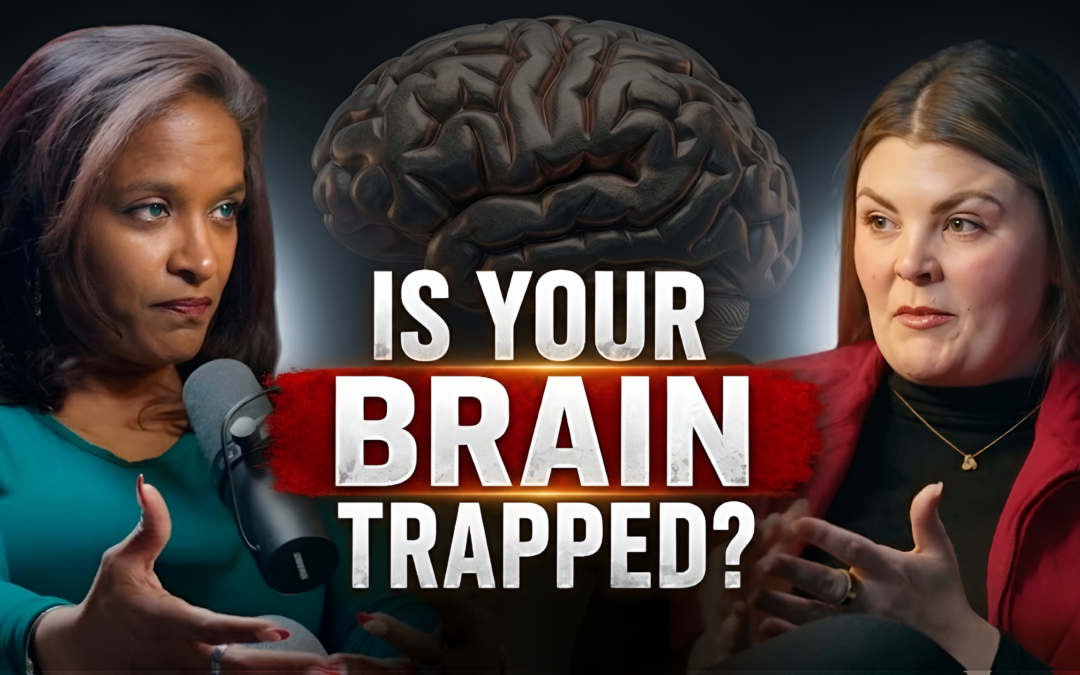
And we’re back. It’s Lainey and Natasha. And we are with Impact Wellness Network, and we are just hoping to bring you all some community and support and education um wherever you are. Um, and so whenever you are ready to reach out to us to get further support, we will always be here in your ears, in your car, wherever.
SPEAKER_03 0:48
Wherever you want to have us.
SPEAKER_04 0:50
People always used to say they wish they could put, you know, Elaine and Tasha in their pocket. Uh huh. Now we can be in your pocket. We can be in your car, we can be in your ears. Yeah. I was gonna say you’re welcome, but some people might be like, uh, I don’t think I really wanted that. Um that’s all right. That’s all right. Um, maybe you just didn’t communicate it very effectively. Um I like that segue. I caught you off guard with that one. Uh so what we’re gonna talk about today is communication. Um, and I, you know, here’s something that I want to say. I think I’m oblivious to what good communication is. And let me explain that. I oftentimes have asked people, you know, what’s your communication like? Do you communicate well? And so many people tell me they do. And I’m thinking to myself, well, if we all communicated so well, why is there so much that the other person doesn’t know about us? Am I wrong? No, you know, I’m wrong. It’s a great, it’s a it’s a valid point. Because I think that there’s there’s these times where we think that we communicate well, and then we go to the other person and it’s like, well, I just thought you knew. But if I communicated well, I wouldn’t have to think what they know. You wouldn’t have to guess. Right. They would they would just tell me, right? So let let’s kind of break this down a little bit, right? You know, a lot of people have heard the different communication styles. Um, that is, I think it’s a common thing that is taught. I don’t think it’s a common thing that’s understood. Um, and so we’re gonna go over the communication styles, right? Like we’ll give that to you. But I want us to take communication maybe a little bit further as we go through these communication styles. Um I’m gonna list them out, all of them, and then we can kind of break them down. Okay. So you have passive, you have passive aggressive, you have aggressive, you have manipulative, and you have assertive, right? I didn’t miss any. No. Okay. Got it. So I always love using um, you know, examples, right? Um, and so whenever I use examples, I like to always, you know, kind of give things that that can make sense. Um and so when we think about what the communication styles are, I’m over here laughing because I’m trying to think of a really good passive thing to say to you, and I don’t even think I can do it because we have such a good relationship where we can be assertive with each other, and so I’m over here like, how can I be passive to Natasha?
SPEAKER_03 3:19
I mean, for me, a lot a lot of times passive for me is you would if if you said something, and even if I didn’t like or agreed with what you said, I’d be like, Okay. I would just be agreeable to you. I mean, for me, when I and I used to be a passive individual, it would just I kind of went along with things. So let’s say you said, um, let’s talk about food. We both love food, and you said, I want donuts. I’m not a donut fan. But in a my passive self would be like, Well, whatever you want, you know, you want donuts? Let’s have donuts. But meanwhile, I’m sitting in my mind going, I don’t like donuts. But I guess, oh well, it doesn’t matter if that’s what she wants. Right?
SPEAKER_04 4:03
Yeah, so you so you would say like in passive, it’s it’s more so of um, you kind of lose yourself in the other person and just go with the flow.
SPEAKER_03 4:10
Sure, just it’s I’m just agreeable. And you know, sometimes I used to chalk it up, but I’m just a simple person, I’m not picky. I don’t, I don’t really care, I don’t have an opinion. And so you give a passive response of, sure, I don’t mind, I don’t care. It is what it is. That’s a passive res that’s a passive reaction or a passive response.
SPEAKER_04 4:29
So I think a lot of times the way I see passive show up um in treatment um is whenever people say it’s you know, it’s whatever you think is best. Yeah. And the whole time in my head, I’m thinking what’s best is for you to stay right there, please. So I can continue sleeping, right? Um, but a lot of us will just say whatever you think is best because we are so fearful of actually saying what we want to say, right? Going back to that episode before when I talked about say what you mean, mean what you say. Don’t say it mean that’s right. Um, and so passive is the is the person that kind of holds their tongue, bites their tongue back, right? All right. So, what would be passive aggressive then?
SPEAKER_03 5:04
Well, I grew up with passive aggressive. Ah, sarcasm. Ooh, I like that one. Lots of I like sarcasm. And for a really long time, it’s something that I learned and adopted as well, where I want to tell you how I’m really thinking or how I’m really feeling, but I don’t really know how you’re going to feel about it and if you’re going to really hear me or understand me. So I’m probably gonna use a little bit of humor or kind of laugh it off, maybe use it in a joke, kind of be joking about it and kidding around with you a little bit. Um, so I can kind of get my message, but at the same time, I don’t want to offend you. So sarcasm was used quite a bit. Um, and to maybe give an example of that. That one’s kind of hard. I don’t know. Ask me to go get donuts. All right. How about we go get donuts?
SPEAKER_04 5:54
Do you really think that’s a good idea? You were just talking about your pants being too tight. Ooh, Laney, woo-wee. I do have to get you back. Anyone who listened to our last episode, Natasha called me up hardcore for eating fried chicken. So I just had to get her back in that one. And she did. And that was a great example of passive aggressive.
SPEAKER_03 6:13
And you’re like, ooh, that one stings just a little bit, and then it just catches you off guard because you’re not. It stings enough to catch you off guard, but it doesn’t sting enough because I didn’t fully say what I meant to say. Correct. And and there’s still some truth to it, right? Because there is truth. Because what you said there was I did talk about needing to lose weight or I needing to get into the gym and you know, taking better care of myself. So there’s truth in that, and I want everybody to make sure you’re hearing that. It’s we’re trying to get the truth out, but it’s the way in which we get the truth out. It’s that tone of voice, you know, it’s that body language, it’s that eye contact. All those things come into play when you’re trying to say something and you’re not quite sure on how to say it. And you say it as such. And you think you’re being a good friend, right? Or a good person by saying that, but meanwhile, the other person just caught what you just said, and I’m like, ooh, that kind of stung just a little bit, right?
SPEAKER_04 7:06
Don’t worry, guys. We love each other and we know that this is all. I mean, I wouldn’t say I’m fun and games because I think this is an important topic, but I would never speak that way to Natasha. I would, you know, you’ll learn about assertiveness here in a minute, and we’ll talk about that. Um, but you know, you saying that makes me think because you know, we had we talked about passive, then this one was passive aggressive. And so now I’m thinking, so aggressive must mean that just mean, mean and yelling. Is that what aggressive is?
SPEAKER_03 7:29
Um aggressive could be physical, it could be verbal, or I could just flat out tell you, no, I don’t want donuts. I don’t, I don’t want what you want. You know, or I could ignore you, right?
SPEAKER_04 7:43
Um I think for me when I think of like aggressive, um, like in that scenario, it’s it’s more so about kind of imposing my values, wants, and needs on you without taking you into consideration.
SPEAKER_03 7:55
You’re taking aggressive to a whole other level, but 100%. You know, like when you said initially, I’m thinking aggressive, like, yeah, are you being loud, are you yelling at me, or just sort of being mean and nasty about something? But that’s that’s really actually a really great point.
SPEAKER_04 8:09
Yeah, so it would be more so this idea of like, you know, your values is to have a healthy lifestyle, my value is to eat what I want to eat, right? Such as donuts, chocolate cake, whatever, right? We can stay on that same um, you know, path of like understanding what this is and what this looks like. Um, but whenever we do, you know, talk about this in an aggressive way, it’s me saying, Well, I don’t really care that you want to eat healthy. If you want to hang out with me, we’re gonna go get donuts.
SPEAKER_03 8:33
And I’ve listened I’ve had people do that with me with substances. You know, they want to go out and drink and I don’t want to drink anymore. And I’ve had people um say those types of things to me, like if you want to hang around us or if you want us to be friends, this is where I’m gonna be at and this is what I’m gonna be doing. And I’m like, okay, and talk about a moment where you really have to really decide what’s more important.
SPEAKER_04 8:55
Yeah.
SPEAKER_03 8:55
The friends or the recovery. And even if we get the drinking part of it, just right, you know, what’s of more value to me, and definitely my recovery was of more value. So I lost friends as a result, but yeah, I see what you’re saying. That we can we maybe translate that a little bit within families and their loved ones and what that look what that aggressiveness might look like.
SPEAKER_04 9:14
Well, I’ve already got your meeting schedule planned out so that it aligns with when I want to have dinner, and so I want to make sure that you’re available for me. So I went ahead and did that schedule for you. Yikes. I must be really on it today. It’s just like coming off. And you’re really hitting it. Here comes the communication. I think I’m hitting some chords in Natasha. She keeps squirming in her chair. Are you uncomfortable?
SPEAKER_03 9:34
No, but listen, you know, you’re you’re hitting, you’re hitting some pretty important points that I think that a lot of our families, I know that our listeners out there, you’re probably squirming in your chairs as well, uh, like I am, because you’re you’re speaking a lot of truth. These are things that are, like you said earlier when we started this conversation, a lot of us think that that’s good conversation. We think it’s good communication, we think it’s healthy communication because we’re getting it out there. But we’re not even paying attention on how it’s being delivered, right? And we’re not even really looking at are we really being truthful? Like, what’s the intention behind what we’re saying? You know, what’s the motive behind what we’re saying? Right. We just know we want to say something and we say it, right? Without giving it any thought and how that might potentially, you know, might potentially impact the other person. Right.
SPEAKER_04 10:23
So this makes me just kind of based on our conversation, it makes me go to the manipulation one. And this is the one that a lot of times um most people know manipulation, right? And this is what I always hear. Well, yeah, those who struggle with addiction are manipulative. We know that, we hear it, right? I hate to break it to you. You know, families here comes another throw punch. So get ready. All my families out there listening, you also manipulate. If you loved me enough, you would be sober.
SPEAKER_03 10:55
Or if you love me enough now that you’re sober, you wouldn’t be going to that meeting on the night that I want you to do X, Y, and Z. Or do you have to go to that meeting tonight? I want to spend time with you, or you know, you could be doing more to help me around the house.
SPEAKER_04 11:08
I mean, here’s a great one. I got you. I’ve just had a really emotional day, Natasha. Can we please go get donuts? Lord Jesus. If you really love me, you go get donuts with me. If you were a good friend, it’s just been so emotional. I really want donuts.
SPEAKER_03 11:24
All right.
unknown 11:25
All right.
SPEAKER_03 11:26
We’re gonna get her donuts after the show, guys. All right, we’re gonna get her donuts. She’s gonna be super happy about it, even though I don’t want donuts because I can’t afford to have the sugar.
SPEAKER_04 11:35
Right? But this is what a lot of us don’t realize how manipulative we actually are. When we are trying to um essentially, you know, hit a cord another person to get them to do what we want to do, that’s manipulation.
SPEAKER_03 11:45
And I want you to slow that down just a little bit to do what we want them to do. I think that’s really, really important. We want to punctuate, right? We’re we’re we’re we’re communicating to our loved ones and we’re like, no, we don’t manipulate. Yeah, you do when you’re constantly pushing an issue or you’re pushing them to do something the way you want it done. Right. Because you haven’t even stopped to ask what they want. Right. You haven’t stopped to ask, you know, you haven’t stopped to ask me whether or not I wanted donuts or if I would uh prefer another option. Well, I don’t care what you want.
SPEAKER_04 12:17
I know what I want.
SPEAKER_03 12:18
I know what I want, right? What is that? It’s aggressive, aggressive, and now the passive in me is like, okay.
SPEAKER_04 12:26
But that’s you know, but that’s something that you know is important for us to look at. Now we’ve we’ve talked about the ones we don’t want.
SPEAKER_03 12:33
So, what does the one we do want look like? We want to work toward being assertive. And in being assertive with each other, it’s about learning to. I mentioned a couple of things of body language, eye contact. One of the most important things when you’re using your words is speaking from an eye place. We tend to we tend to a lot in communication to use the word you. You did this. Um, well, you don’t want that, but this is what I want, right? And there’s there’s a sort of divide and separation between us in the conversation. There’s a lot of blaming that’s happening in the conversation when you’re using those other styles of communication that you mentioned. But being assertive, I want to learn to speak from an eye place. I want to be able to let you know where I am in this conversation, right? Letting you know how I feel, what I’m thinking, what I’m experiencing. And then you can come back and share with me from your perspective what you’re thinking, what you’re feeling, what you’re experiencing.
SPEAKER_04 13:35
So would you say a part of having assertive communication is also learning how to listen?
SPEAKER_03 13:40
Well, I think that’s number one, absolutely, because if you think about in the other conversations, so if we want to go back to passive really quickly, if you’re doing all the talking, right? And I’m just agreeable, am I really listening to what you have to say? I’m just going along with it. Right? When you made the passive-aggressive comment earlier, immediately it sends a feeling inside of you that you just sort of shut down. So when you’re so caught up in your feelings, when you say I kind of squirmed in my chair, I’m so much more concerned about how I’m feeling. It slows down my ability to really listen and hear what you’re saying, right? When you’re being aggressive, and here comes that tone of voice, here comes that very directness to the individual. Again, the receiving person is in their feelings. Or defensive, right? And or being defensive. And so now I’m just kind of like I’m I’m more focused on what my comeback needs to be, or what I need to do, or whether I need to exit left. I’m thinking more about that, and I’m not actively listening and really hearing what you’re saying. So definitely an assertive, I think that’s the number one thing is we have to learn to listen without trying to um be understood and or needing to explain our side of things. Um, we just need to actively listen to understand what the person is trying to say and not trying to jump in, cut them off, or like you said earlier, being defensive.
SPEAKER_04 15:06
Right. And I think with assertive too, yeah, it does go back to that I place, but it’s, you know, I would really like to go get donuts. I know you’ve been in the gym, so I want to respect what you’re doing. Um, you know, are you open to going to get donuts with me?
SPEAKER_03 15:20
And I really appreciate you asking me. I honestly can’t do the sugar. When I eat sugar, it really, you know, I have a reaction to that. But do you think maybe we can find a place that you can where you can get your donut and maybe I can get something else? And, you know, maybe we can do it that way.
SPEAKER_04 15:37
Beautiful, right? Um, and I think that that’s, you know, we give those examples. And I know, you know, donuts and working out. It’s it’s not as serious as you would say it’s like your loved one struggling with addiction or mental health. But I think it helps us to really see what that assertiveness can look like, right? Absolutely. Um, you know, I always give people, and I’m gonna leave you all, you know, with this little takeaway here with assertiveness, right? Assertiveness is when you can say, I feel blank, and after feel, you have to put a feeling. So if you don’t know what a feeling is, you can Google feeling will, right? So I feel blank, one word when blank, right? What I need is blank.
SPEAKER_03 16:14
Yeah, let’s let’s touch on that before we wrap up. Many people say I feel and they go into this. I feel like, yeah, I feel like, and you go into a monologue or you want to give this entire sentence. I feel is one word. I feel angry, I feel sad, I feel guilty, right? I feel hurt, and it stops there. Not I feel like when you do X, Y, and Z, that’s not a feeling. That’s you just giving your your thoughts about something. Right. So I just wanted to make sure we’re clear on that.
SPEAKER_04 16:45
Absolutely. No, I love it. Um, I do want to, so you know, that I want you all to do the I feel blank when blank. What I need is blank, right? Like that’s what we’re working towards whenever it comes to communication. But one of the last things that I guess I want to close out with this today, right, is is learning how to communicate effectively with your loved one starts with also being willing to open that door. And so for anyone who is listening out there, I would like all of you all, before you even do the homework of the I feel blank when, you know, when blank and I need blank, um, I want you to just ask yourself, is the door even open? Is there a safe space with your loved one to communicate with? And if there isn’t a safe space, that’s okay, right? Do you feel safe sharing your emotions with them? Do they feel safe sharing their emotions with you? And if not, let’s just start by asking questions to understand. Ask them, what can I do to hear you better? You don’t have to say anything, you’re just asking to understand. And if you can do that, those statements will come a lot easier. So that’s what we have for you today. Natasha, do you have anything else?
SPEAKER_03 17:52
No, not at all. I’m I’m one last thing. You talk about that safe space. We have to be willing to put our anger aside to have that conversation. If you’re too angry and you’re too resentful, you’re not you’re not gonna have a healthy conversation with your loved one. So try to either deal with those emotions or put them to the side so that you can have that safe space.
SPEAKER_04 18:14
Good. I love it. All right, you guys, until next time. Till next time, guys.
Addiction does not usually happen all at once. For many people, substance use begins casually or experimentally and gradually becomes something much more difficult to control. What may start as curiosity, social use, or an attempt to cope with stress can develop into a pattern that affects a person’s brain, relationships, responsibilities, and overall quality of life.
Understanding how addiction progresses can help individuals and families recognize concerning patterns earlier and seek support before substance use becomes more severe.
At Impact Wellness Network, we believe education is an important part of reducing the stigma surrounding addiction. Addiction is not a character flaw or a sign that someone is a bad person. It is a complex condition involving biological, psychological, emotional, and environmental factors. The more we understand about how addiction develops, the better equipped we are to respond with compassion and encourage people to seek help.
What Is Addiction?
Addiction is often associated exclusively with illegal drugs, but substance use and addictive behaviors can be much broader.
People can develop problematic relationships with many mind and mood-altering substances, including alcohol, nicotine, caffeine, and other substances. Behavioral addictions can also involve activities such as gambling, work, sex, spending money, or other behaviors that become difficult to control and begin interfering with a person’s life.
This doesn’t mean that every person who drinks coffee, works long hours, or enjoys an occasional alcoholic beverage has an addiction.
The important distinction is whether a substance or behavior has become increasingly difficult to control and whether it is creating meaningful problems in a person’s life.
Addiction exists along a progression, and recognizing where someone may fall on that progression can help identify when support may be needed.
Why Language Matters When Talking About Addiction
The words we use to talk about addiction matter.
Terms such as “addict” can cause shame and create a sense that addiction has become someone’s identity. When people believe they will be judged or defined by their substance use, they may be less willing to admit they need help.
A person is not their addiction.
Instead of defining someone by a diagnosis or behavior, it is more compassionate and accurate to talk about a person who is struggling with addiction or battling substance use.
This distinction may seem small, but it can change the way people see themselves and the way others respond to them.
Someone struggling with addiction is still a parent, spouse, child, friend, employee, student, or member of a community. Addiction is something they are experiencing. It does not have to define who they are.
The Three Stages of Addiction
Addiction can be understood as a progression that moves through different stages. While everyone’s experience is different, the progression discussed by Impact Wellness Network can generally be understood through three phases: experimental, socially acceptable, and chronic.
Understanding these stages can help explain how something that begins casually can eventually become a serious medical and psychological problem.
Experimental Substance Use
The experimental stage is often where substance use begins.
Someone may try a substance out of curiosity, because of peer influence, or simply because it is available. They may not be experiencing significant consequences, and they may not see their behavior as concerning.
Nearly everyone has experienced some form of experimentation or curiosity around a behavior or substance at some point in their lives.
The concern isn’t necessarily the first experience itself. The concern is what happens as use continues.
For some people, experimentation ends there. For others, substance use becomes increasingly frequent or begins serving a specific purpose in their emotional life.
That purpose can become an important part of the progression toward addiction.
Socially Acceptable Use
The next stage involves substance use or behavior becoming normalized.
Alcohol provides a common example. Drinking may initially happen at parties, celebrations, dinners, or other social events where it is considered a normal part of the environment.
Other behaviors can become normalized in similar ways.
Working excessive hours may be praised as dedication. Constantly checking a phone or social media may be considered normal. Spending money, gambling, or other behaviors may be encouraged or overlooked until they begin creating problems.
Because these behaviors are accepted within certain social environments, it can be difficult to recognize when they have crossed from occasional use into something unhealthy.
A person may continue telling themselves that their behavior is normal because other people are doing something similar.
Chronic Addiction
The chronic stage represents a much more serious progression of addiction.
At this point, substance use may no longer be primarily about experiencing pleasure.
The person may use substances simply to feel normal or avoid feeling physically or emotionally unwell.
Physical dependence can develop, along with withdrawal symptoms when the substance is removed. A person may experience restlessness, irritability, anxiety, physical discomfort, or other symptoms that make stopping extremely difficult.
At this stage, substance use can become increasingly focused on avoiding negative feelings rather than achieving the initial high.
This is one reason addiction can become so difficult to understand from the outside.
Family members may ask, “If this is making your life worse, why don’t you just stop?”
The answer is that addiction changes the way the brain responds to substances and rewards. The person’s relationship with the substance has changed significantly from where it began.
How Addiction Changes the Brain
The progression of addiction is closely connected to changes in the brain.
When someone initially uses a substance, it can activate the brain’s reward system and produce feelings of pleasure or euphoria. Neurotransmitters such as dopamine and serotonin play important roles in the brain’s reward and mood systems.
The brain learns from these experiences.
With repeated substance use, tolerance can develop. A person may need more of the substance or more frequent use to experience effects that once occurred with smaller amounts.
Over time, the brain can adapt to the presence of the substance. This can contribute to a situation where the person no longer uses simply because they want to feel good.
They may use because they feel uncomfortable without it.
Restlessness, irritability, anxiety, discontent, and other negative emotional or physical states can become powerful reasons to continue using.
This cycle can make addiction increasingly difficult to stop without appropriate treatment and support.
Why “I’ll Just Control It This Time” Can Be Difficult
One of the most common misconceptions about addiction is that someone can simply return to controlled use after a period of abstinence.
A person may stop using for a while and believe they have regained control. They may think they can have one drink, use a smaller amount, or only use on certain days.
For someone who has progressed into addiction, however, returning to substance use can reactivate old patterns.
The brain remembers the reward associated with the substance. Attempts to control use can eventually lead back toward higher levels of consumption as the person seeks to recreate the effects they experienced earlier.
This is one reason long-term recovery often focuses on more than simply taking a break from substances.
Recovery involves learning new ways to cope, identifying triggers, changing routines, addressing mental health concerns, and building a support system that makes continued recovery possible.
Addiction Is Often an Attempt to Cope
Behind many addiction stories is a person trying to cope with something.
They may be dealing with trauma, anxiety, depression, grief, relationship problems, chronic stress, loneliness, or emotional pain. They may not have the tools to process what they’re experiencing, so they find something that temporarily changes how they feel.
At first, that substance or behavior may feel like a solution.
It can provide relief.
It can quiet uncomfortable thoughts.
It can create temporary happiness or confidence.
It can make emotional pain feel further away.
But the solution eventually creates problems of its own.
This is why effective addiction treatment needs to address more than the substance. If the underlying emotional and psychological factors aren’t addressed, the person may remain vulnerable to returning to the same coping mechanism.
Addiction Is Not a Moral Failure
One of the most damaging misconceptions about addiction is that people simply choose to become addicted.
People make choices about whether to use a substance, but addiction itself is much more complicated than a single decision.
As substance use progresses, changes in the brain, tolerance, dependence, withdrawal, emotional distress, and learned patterns of behavior can all make stopping increasingly difficult.
This does not remove personal responsibility.
Recovery still requires an individual to make difficult choices and participate in treatment. But responsibility and blame are not the same thing.
A person can be responsible for their recovery without being blamed for having a disease.
That distinction creates room for accountability while still allowing compassion.
Recognizing the Signs That Substance Use Is Progressing
Recognizing the progression of addiction can help families and individuals identify when substance use may have become more serious.
Some warning signs can include:
- Increasing frequency or amount of substance use
- Developing tolerance
- Using substances to cope with stress or emotions
- Continuing to use despite negative consequences
- Experiencing withdrawal symptoms
- Spending significant time obtaining, using, or recovering from a substance
- Losing interest in previously important activities
- Experiencing problems at work, school, or home
- Hiding or minimizing substance use
- Repeatedly trying to stop or cut back without being able to maintain the change
Not every person will experience every sign, and substance use disorders can look different from one individual to another.
If substance use is becoming difficult to control or is negatively affecting someone’s life, it may be time to seek professional support.
Recovery Is About Finding a New Way to Cope
Stopping substance use is an important part of recovery, but lasting recovery requires more than removing a substance.
Individuals need opportunities to develop healthier ways to manage stress, process emotions, build relationships, and navigate difficult situations.
Treatment can provide a structured environment where individuals can begin identifying what was underneath their substance use and learn new strategies for responding to those challenges.
Therapy, medical care, peer support, family involvement, recovery communities, and healthy routines can all become part of that process.
The goal isn’t simply to take away someone’s coping mechanism.
It is to help them build healthier ones.
There Is Hope at Every Stage
Whether someone is experimenting with substances, beginning to recognize a problem, or experiencing chronic addiction, change is possible.
The earlier problematic patterns are recognized, the sooner someone can begin learning healthier ways to cope. But even when addiction has become severe, recovery remains possible with appropriate treatment and support.
Families also have an important role to play. Learning about addiction, setting healthy boundaries, participating in family support, and understanding the difference between helping and enabling can make a significant difference.
Most importantly, families don’t have to navigate the process alone.
At Impact Wellness Network, we believe that people deserve to be seen as more than their addiction. They deserve compassion, accountability, education, and the opportunity to build a healthier life.
Addiction can change the brain. It can change relationships. It can change the way a person sees themselves and the world around them.
But addiction does not have to be the end of the story.
With the right support, treatment, and willingness to change, people can learn new ways to cope, rebuild relationships, and create lives that are not controlled by substances.
Recovery starts by recognizing that something needs to change. From there, the next step is finding the support to make that change possible.