

For someone navigating the complex journey of recovery, animal-assisted therapy can be a powerful tool. Learning to trust again can feel like a monumental task. Addiction and mental health challenges often erode connections, leaving individuals feeling isolated and wary of vulnerability. In a world that can feel judgmental, where do you turn for a connection that is simple, honest, and free of expectation? For many, the answer is found not in a person, but in the gentle presence of an animal. This is the foundation of animal-assisted therapy.
This unique therapeutic approach integrates specially trained animals into treatment sessions to help clients build trust, practice emotional presence, and foster a sense of safety. The unconditional acceptance offered by an animal can open doors to healing that traditional talk therapy sometimes cannot. It creates a bridge back to connection, starting with a gentle nudge or a calming purr.
How Connection with an Animal Rebuilds Trust
Trust is often the first casualty of trauma and addiction. When it has been broken by people, rebuilding it with people can feel intimidating. Animals offer a different kind of relationship. They do not judge your past, question your motives, or hold grudges. Their presence is immediate and genuine.
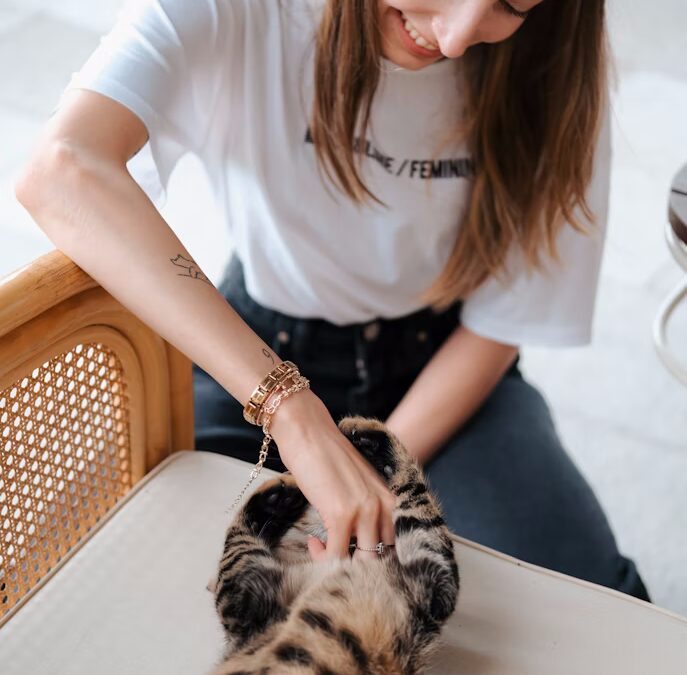
In animal-assisted therapy, this non-judgmental interaction becomes a safe space to practice vulnerability. Petting a dog, brushing a horse, or simply sitting with a cat can lower blood pressure and reduce cortisol, the stress hormone. In this relaxed state, defensive walls begin to come down. A client who struggles to open up to a therapist might find themselves confiding in an animal, with the therapist acting as a quiet observer. This three-way interaction allows trust to be rebuilt organically, without pressure.
Fostering Emotional Presence and Mindfulness
Many people struggling with mental health challenges spend a lot of time lost in thoughts of the past or worries about the future. Animals, however, live entirely in the present moment. Their focus is on what is happening right now: the feeling of a hand on their fur, the sound of a calm voice, or the simple act of breathing.
Interacting with an animal naturally pulls you into the present moment. This is a form of mindfulness. When you are focused on grooming a horse or playing fetch with a dog, your anxious thoughts tend to quiet down. Animal-assisted therapy uses these interactions to teach emotional presence. You learn to tune into your senses and notice the world outside of your head. This skill is invaluable for managing anxiety, coping with cravings, and finding moments of peace in a chaotic world.
Common Questions About Animal-Assisted Therapy
What kinds of animals are used?
While dogs and horses are the most common, therapy animals can also include cats, rabbits, and even smaller creatures. The key is that they are well-trained, calm, and enjoy human interaction.
Is this just “petting animals”?
No. It is a goal-oriented therapeutic intervention led by a licensed clinician. The animal is a tool to help facilitate therapeutic goals, such as improving communication, building self-esteem, or processing emotions.
Does it work for everyone?
While many people benefit, it is not a one-size-fits-all solution. It is most effective for individuals who are comfortable with and interested in animals.
A Pathway Back to Connection
Healing is about connection—to yourself, to others, and to the world around you. Animal-assisted therapy provides a gentle, powerful pathway back to that connection. It reminds you that you are capable of giving and receiving love, and that safe relationships are possible.
At Impact Wellness Network, we believe in using innovative, compassionate approaches to support your healing journey. Our programs are designed to meet you where you are and provide the tools you need to thrive. If you are ready to explore how connection can heal, please reach out to us today. We are here to help you find your way back to yourself.