
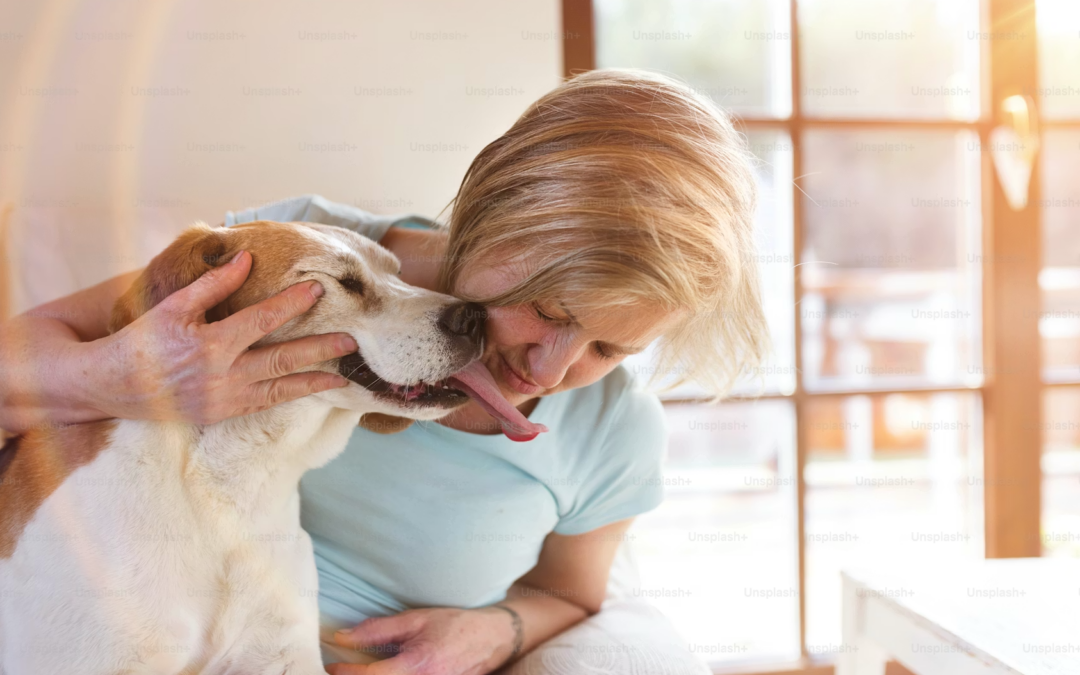
Animal-assisted therapy reaches parts of the nervous system that traditional talk sessions sometimes struggle to touch, offering a gentle path toward healing that many people never expected. If you or someone you love is working through addiction or a mental health challenge, the idea of sitting in a room and putting hard feelings into words can feel overwhelming. Some emotions live deeper than language can reach.
That struggle is valid, and you are not alone in feeling it. Many people find that words fail them exactly when they need comfort most.
The good news is gentler than you might expect. Sometimes the presence of a calm animal opens a door that talking alone cannot, and that opening can become part of real recovery.
What Is Animal-Assisted Therapy?
Animal-assisted therapy is a form of care that includes trained animals as part of a structured treatment plan guided by a licensed professional. It pairs the comfort of a gentle animal with proven therapeutic goals. The animal is not a pet in this setting. It is a purposeful part of the healing process.
Sessions may involve dogs, horses or other animals chosen for their calm and steady nature. A therapist guides each interaction with clear intentions in mind.
This approach supports people working through substance use, trauma, anxiety and depression. It works alongside other treatments rather than replacing them.
Why Does Animal-Assisted Therapy Reach the Nervous System So Effectively?
Animal-assisted therapy reaches the nervous system because a calm animal helps the body feel safe before the mind has to explain anything. When you feel threatened or anxious, your body stays on high alert. A gentle animal can quietly signal that the moment is safe.
That sense of safety allows the nervous system to settle. Breathing slows, muscles loosen and the mind becomes more open to healing.
This shift matters because real change is hard to reach when the body feels guarded. By calming the body first, this therapy helps people access emotions they could not touch before.
How Does a Calm Animal Help the Body Feel Safe?
A calm animal helps the body feel safe through simple, nonjudgmental presence. Animals do not ask questions or expect explanations. They simply offer steady companionship, which many people find deeply reassuring.
Petting a gentle dog or standing quietly near a horse can ease tension almost instantly. These small moments of connection remind the body what calm feels like.
Over time, the body begins to trust that calm again. That trust becomes a foundation for the harder work of recovery.
Why Can Words Sometimes Feel Like a Barrier?
Words can feel like a barrier because some experiences live in the body rather than in language. Trauma, shame and fear often sit beneath conscious thought. Trying to describe them can feel impossible or even frightening.
For many people, the pressure to talk creates more anxiety, not less. This can make traditional sessions feel stuck.
An animal removes that pressure entirely. Connection happens through presence, touch and shared quiet, which frees the mind to open at its own pace.
What Happens During an Animal-Assisted Therapy Session?
During an animal-assisted therapy session, a licensed professional guides gentle interactions between you and a trained animal toward specific healing goals. The setting feels warm and unhurried. Nothing is forced, and you move at a pace that feels right for you.
You might brush a horse, walk beside a dog or simply sit in calm company. The therapist observes, supports and helps you notice what these moments stir inside you.
Each session blends comfort with intention. The relaxed atmosphere often makes deeper emotional work feel more possible.
What Kinds of Animals Are Involved?
The animals involved are carefully trained and chosen for their gentle, steady temperaments. Dogs and horses are among the most common, though other animals may be used depending on the program.
Each animal is selected for its ability to stay calm and connect with people. Handlers and therapists work closely to keep every interaction safe and supportive.
This careful selection matters. A steady, well-trained animal helps create the sense of safety that makes healing possible.
Who Can Benefit From Animal-Assisted Therapy?
People working through substance use, trauma, anxiety, depression or grief can benefit from animal-assisted therapy. It often helps those who find traditional talk therapy difficult or emotionally overwhelming. The gentle nature of this approach makes it welcoming for many.
It can be especially meaningful for individuals who feel guarded or shut down. The presence of an animal often softens those protective walls.
At Impact Wellness Network, care always begins with understanding your unique story before any plan takes shape. This therapy works alongside other treatments to support the whole person.
How Does It Support Addiction Recovery?
Animal-assisted therapy supports addiction recovery by easing the stress and shame that often fuel substance use. When the body feels calmer, cravings and difficult emotions can feel more manageable. That steadiness helps recovery take root.
Caring for an animal can also rebuild a sense of purpose and responsibility. These feelings often fade during active substance use.
The bond formed with an animal offers comfort without judgment. For many people in recovery, that acceptance becomes a quiet source of strength.
How Does Animal-Assisted Therapy Fit With Other Treatments?
Animal-assisted therapy fits alongside other treatments as one meaningful part of a complete care plan. It does not replace counseling, medical support or group work. Instead, it deepens and supports them.
Many people find that a calm session with an animal makes their other therapy sessions feel more open. The safety they feel carries over into harder conversations.
What Levels of Care Might Include It?
Several levels of care can include animal-assisted therapy depending on individual needs. It may appear in residential programs, outpatient services or more structured day treatment.
- Residential care. People live on-site and may work with animals as part of a full daily healing routine.
- Partial Hospitalization Program (PHP). This offers intensive daytime support that can include animal-assisted sessions.
- Intensive outpatient care. Structured sessions a few days a week may weave in this gentle approach.
- Standard outpatient care. Regular counseling may include animal-assisted work for added comfort and connection.
A caring team can help you find the level of support that fits your situation. There is no single right path, only the one that supports you best.
What Are the Emotional Benefits of Working With Animals?
The emotional benefits of working with animals include reduced anxiety, greater trust and a renewed sense of connection. Many people feel calmer and more grounded after even a short session. That relief can be profound.
Animals offer acceptance without conditions. For someone carrying shame or fear, that unconditional presence can feel healing in a way words rarely match.
These moments also rebuild the ability to bond with others. The trust practiced with an animal often extends into human relationships over time.
How Do You Know If Animal-Assisted Therapy Might Help You?
Animal-assisted therapy might help you if traditional talk sessions feel too difficult or you feel drawn to the comfort of animals. You do not need to know for certain before reaching out. A caring team can help you explore whether this approach fits.
Consider whether any of the following feel familiar:
- You find it hard to put painful emotions into words during regular sessions.
- You feel calmer, safer or more like yourself in the presence of animals.
- Anxiety or shame makes traditional therapy feel overwhelming at times.
- You want a gentler entry point into deeper emotional healing.
- You are looking for care that supports your whole self, not just your symptoms.
Recognizing these signs is a sign of self-awareness, not weakness. Support can meet you exactly where you are.
Common Questions Before Starting Treatment
Is animal-assisted therapy a replacement for other treatment?
No, animal-assisted therapy works alongside other treatments rather than replacing them. It complements counseling, medical care and group work. Together, these approaches support more complete and lasting healing.
Do I need experience with animals to benefit?
No, you do not need any prior experience with animals. Trained professionals and handlers guide every interaction to keep it safe and comfortable. You can begin exactly where you are, even if animals feel new to you.
What if I feel nervous around animals?
Feeling nervous is completely understandable and very common. Your therapist will move at a pace that feels safe for you and never pushes you beyond your comfort. Trust builds gently, one small moment at a time.
Can this therapy help with both mental health and addiction?
Yes, animal-assisted therapy can support both mental health and substance use recovery. It helps ease anxiety, trauma and shame that often overlap with addiction. Treating these together tends to bring steadier, more meaningful progress.
Will I still do talk therapy too?
Yes, most treatment plans include talk therapy alongside this approach. The calm you build with an animal often makes those conversations feel more open. The two work beautifully together to support your healing.
Taking the Next Step Toward Gentle Healing
Animal-assisted therapy offers a compassionate way to reach the parts of you that words alone sometimes cannot, and that gentle connection can become a powerful part of recovery. The comfort of a calm animal can help your body feel safe enough to begin real healing. You do not have to force every emotion into words to move forward.
You deserve care that meets you with patience, warmth and understanding. Choosing to ask for help is one of the bravest and most hopeful steps a person can take. If you or someone you love is ready to explore this path, visit Impact Wellness Network to learn how we can walk beside you toward lasting wellness.